
Peking Black Crowder
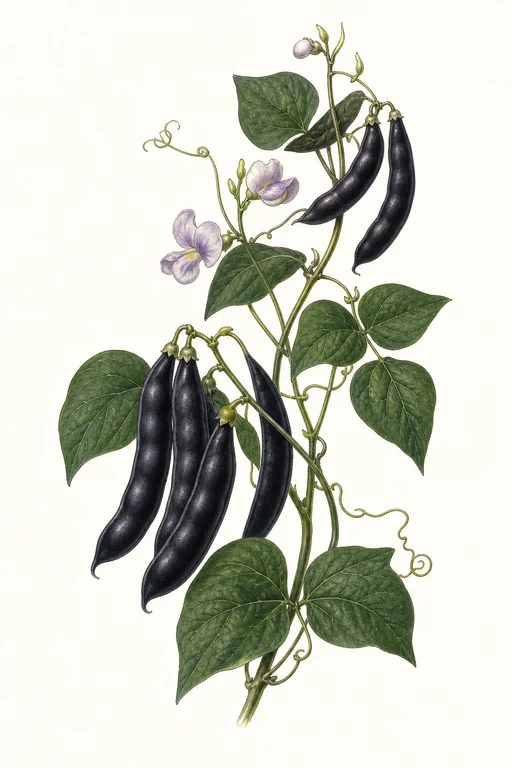
Velvety pods hang like dark lanterns, and inside, Peking Black Crowder reveals glossy, inky-black beans with a satisfying, firm bite.
When simmered, they turn creamy and rich, with a deep, savory flavor that’s especially beloved for hearty bean dishes and robust sauces. Grow Peking Black Crowder for a dependable 70-day rhythm and a harvest that feels as dramatic as it tastes—bold color, sturdy texture, and true pantry power.
Light: Full SunMaturity: 70 DaysHabit: Bush
Planting schedules and alerts are optimized for Columbus (Zone 6b).
Crop Dates
| Milestone | Date |
|---|---|
| Start Indoors | Direct Sow |
| Last Frost | Apr 25th |
| Transplant / Sow Outdoors | Apr 25th |
| Harvest Begins | Jul 4th |
| Harvest Ends | Oct 16th |
Crop Details
| Trait | Value |
|---|---|
| Days to Maturity | 70 |
| Sun Requirements | Full Sun |
| Growth Habit | Bush |
| Support Needed | None |
| Planting Depth | Normal |
| Germination Temp (°F) | 70 |
| Min Soil Temp (°F) | 60 |
| Min Night Temp (°F) | 55 |
| Harden Off (days) | Not Required |
Culinary Notes

Chef's Note
These cowpeas hit the sweet spot between “holds its shape” and “turns luxuriously creamy,” so they’re built for long-simmer comfort—think beans that stay toothsome then melt into the broth. The deep, savory flavor loves acids and aromatics, so finish with lime and something smoky to make the whole pot taste louder.

Best Uses
- slow simmered pot of beans for brothy-stew dinners
- black-bean-style purée for tacos or rice bowls
- thickening base for robust sauces and braises
- bean-forward soups where you want body plus chew

Flavor Profile

Frequently Asked Questions
What pest or disease commonly affects cowpeas (Vigna unguiculata) like Peking Black Crowder, and how can I manage it?
How often should I water Peking Black Crowder during the main growing phase to keep soil moisture right?
How do I tell when Peking Black Crowder is ready to harvest?
Sowing Tips

Transplant Conditions
Wait until soil reaches 60°F and nights stay above 55°F before moving outdoors.
Expert Note

Plant cowpea after soil warms and nights are reliably mild; keep soil lightly moist until emergence, then water more sparingly to encourage pods.