
Penelope
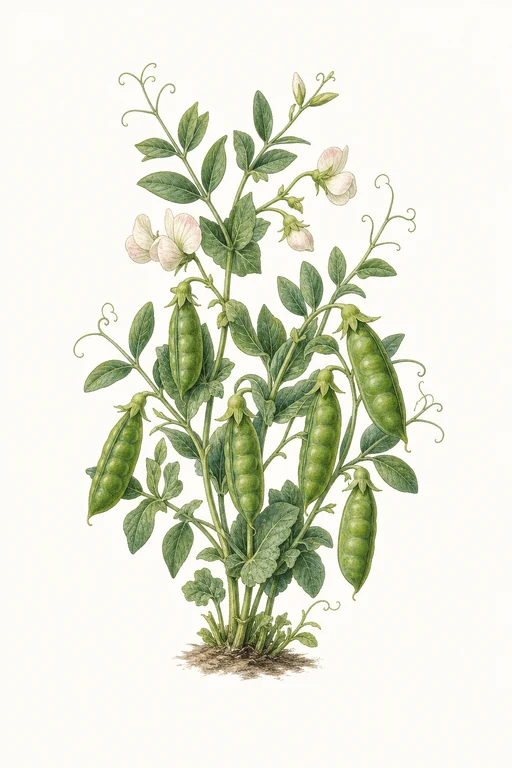
Sweetly fragrant from the moment pods swell, Penelope shelling peas deliver a vivid, garden-fresh burst of flavor with tender, bright-green sweetness at peak maturity.
The plants are compact and steady, producing well-filled pods that hold their quality for reliable harvest windows—ideal for home gardeners who want a dependable crop with a refined, delicate texture. Grow Penelope for spoonfuls of plump peas that shine in classic shelling preparations and for preserving when you want that just-picked taste to linger.
Light: Full SunMaturity: 65 DaysHabit: Upright
Location not set yet
Location not set yet
Enter your ZIP for local crop dates
Penelope Planting Dates by USDA Zone
Estimated US hardiness-zone windows for sow, transplant, and harvest. Enter a US ZIP above for exact local dates, or open a zone below.
| Zone | Start Indoors | Sow / Transplant | Harvest |
|---|---|---|---|
| Zone 1a | Protected Environment Only | ||
| Zone 1b | Protected Environment Only | ||
| Zone 2a | Direct Sow | May 25th | Jul 29th – Aug 29th |
| Zone 2b | Direct Sow | May 15th | Jul 19th – Aug 25th |
| Zone 3a | Direct Sow | May 15th | Jul 19th – Sep 1st |
| Zone 3b | Direct Sow | May 19th | Jul 23rd – Sep 21st |
| Zone 4a | Direct Sow | May 15th | Jul 19th – Sep 24th |
| Zone 4b | Direct Sow | May 13th | Jul 17th – Sep 27th |
| Zone 5a | Direct Sow | May 8th | Jul 12th – Sep 30th |
| Zone 5b | Direct Sow | May 4th | Jul 8th – Oct 5th |
| Zone 6a | Direct Sow | May 1st | Jul 5th – Oct 10th |
| Zone 6b | Direct Sow | Apr 25th | Jun 29th – Oct 16th |
| Zone 7a | Direct Sow | Apr 20th | Jun 24th – Oct 20th |
| Zone 7b | Direct Sow | Apr 10th | Jun 14th – Oct 28th |
| Zone 8a | Direct Sow | Apr 1st | Jun 5th – Nov 5th |
| Zone 8b | Direct Sow | Mar 23rd | May 27th – Nov 12th |
| Zone 9a | Direct Sow | Mar 6th | May 10th – Nov 26th |
| Zone 9b | Direct Sow | Feb 9th | Apr 15th – Dec 9th |
| Zone 10a | Continuous Production | ||
| Zone 10b | Continuous Production | ||
| Zone 11a | Continuous Production | ||
| Zone 11b | Continuous Production | ||
| Zone 12a | Continuous Production | ||
| Zone 12b | Continuous Production | ||
| Zone 13a | Continuous Production | ||
| Zone 13b | Continuous Production | ||
Crop Details
| Trait | Value |
|---|---|
| Days to Maturity | 65 |
| Sun Requirements | Full Sun |
| Growth Habit | Upright |
| Support Needed | Trellis |
| Planting Depth | Normal |
| Germination Temp (°F) | 45 |
| Min Soil Temp (°F) | 40 |
| Min Night Temp (°F) | 32 |
| Harden Off (days) | Not Required |
Culinary Notes

Chef's Note
Penelope shelling peas come off the heat with a delicate sweetness and a tender, non-wooly chew—built for minimal cooking that keeps them bright. They’re especially good when you want the pea to taste like it was picked seconds ago, not like a reconstituted vegetable.

Best Uses
- quick-steamed shelling peas tossed with butter and flaky salt
- lightly simmered peas for a silky green gloss in pasta
- folded into spring risotto for pockets of fresh sweetness
- quick-cure pickling or canning to preserve that just-picked taste

Flavor Profile

Kitchen Pairings
Frequently Asked Questions
Why are my Pisum sativum (peas) leaves turning yellow and developing spots, and what should I do?
How often should I water Pisum sativum during the main growing phase?
When is Pisum sativum ready to harvest?
Sowing Tips

Transplant Conditions
Wait until soil reaches 40°F and nights stay above 32°F before moving outdoors.
Expert Note

Sow Penelope shelling peas as soon as soil is workable and keep them evenly moist—twin pods per node translate to maximum yield when plants grow steadily in cool weather.