
Pennquad
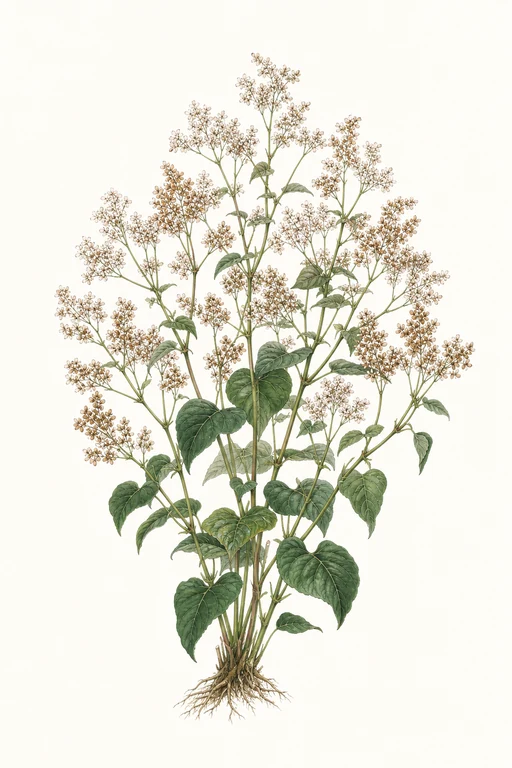
A soft, cloudlike stand of Pennquad buckwheat turns the garden into a living tapestry—cool, feathery foliage with a gentle, honeyed perfume that draws pollinators from afar.
At maturity, the seed fills out with a clean, nutty character and a pleasantly earthy bite, ideal for those who want a reliable, quick-growing cover that also rewards with harvestable grain. Expect a vigorous, uniform stand in about 70 days, building soil cover fast while offering a distinctive, wholesome flavor profile from its seeds.
Light: Full SunMaturity: 70 DaysHabit: Upright
Planting schedules and alerts are optimized for Columbus (Zone 6b).
Crop Dates
| Milestone | Date |
|---|---|
| Start Indoors | Direct Sow |
| Last Frost | Apr 25th |
| Transplant / Sow Outdoors | Apr 25th |
| Harvest Begins | Jul 4th |
| Harvest Ends | Oct 16th |
Crop Details
| Trait | Value |
|---|---|
| Days to Maturity | 70 |
| Sun Requirements | Full Sun |
| Growth Habit | Upright |
| Support Needed | None |
| Planting Depth | Normal |
| Germination Temp (°F) | 55 |
| Min Soil Temp (°F) | 45 |
| Min Night Temp (°F) | 40 |
| Harden Off (days) | Not Required |
Culinary Notes

Chef's Note
Pennquad buckwheat’s nutty, earthy seed makes a strong, fragrant groat that turns supple without turning mushy—ideal for breakfasts and warm bowls where you want flavor even before toppings. Roast or toast first to pull forward that honeyed perfume, then finish with butter, cheese, or a bright hit of lemon to keep it from going too earthy.

Best Uses
- dry-roast the groats for a fragrant, toasty base
- cook into creamy buckwheat porridge that sets thick and spoonable
- turn into hearty buckwheat pancakes (thin, bakes up tender)
- use as a grain in warm salads where it holds shape

Flavor Profile

Kitchen Pairings
Frequently Asked Questions
What pest or disease commonly affects buckwheat (Fagopyrum esculentum / Polygonaceae), and how can I manage it at home?
How often should I water common buckwheat during the main growing phase, and what soil moisture level does it need?
How do I know when buckwheat (Fagopyrum esculentum) is ready to harvest?
Sowing Tips

Transplant Conditions
Wait until soil reaches 45°F and nights stay above 40°F before moving outdoors.
Expert Note

Direct-sow buckwheat once soil warms and keep it weed-free early; it establishes quickly and outcompetes weeds later.