
Peony
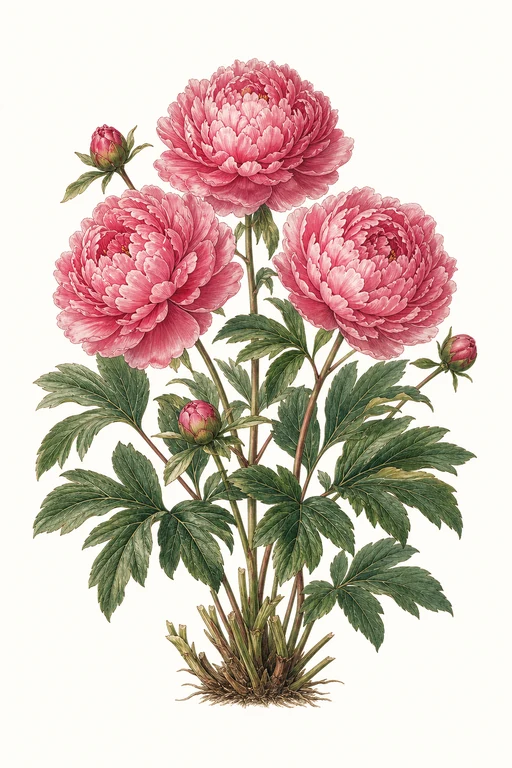
Velvety, rose-petal blooms unfurl in slow, sumptuous layers, holding their color with a poised, garden-ready elegance.
Peony’s lush, full flowers bring a soft, almost satin texture to the landscape, with a presence that feels both romantic and substantial. Grow it for standout flowering in the border—ideal for long-season garden display and showy cut-flower arrangements.
Light: Full SunMaturity: 365 DaysHabit: Shrub
Planting schedules and alerts are optimized for Columbus (Zone 6b).
Crop Dates
| Milestone | Date |
|---|---|
| Last Frost | Apr 25th |
| Growing Approach | Protected Environment Only |
Crop Details
| Trait | Value |
|---|---|
| Days to Maturity | 365 |
| Sun Requirements | Full Sun |
| Growth Habit | Shrub |
| Support Needed | None |
| Planting Depth | Normal |
| Germination Temp (°F) | 68 |
| Min Soil Temp (°F) | 50 |
| Min Night Temp (°F) | 28 |
| Harden Off (days) | Not Required |
Culinary Notes

Chef's Note
Garden peony petals are edible but use them with restraint—those velvety, satin layers are more about perfume than punch. Steep or garnish lightly so the floral note stays airy, not soapy, and keeps its delicate mouthfeel.

Best Uses
- use petals as a garnish for drinks and chilled desserts
- fold a few petals into simple syrups for quick steep-and-strain sweetness
- toss sparingly into fruit salads or yogurt for a perfumed top note
- layer petals on shortbread or alongside soft cheeses for a tender bite

Flavor Profile

Kitchen Pairings
Frequently Asked Questions
What is a common pest or disease problem for Paeonia lactiflora, and how can I manage it?
How often should I water Paeonia lactiflora during its main growing season?
How can I tell when Paeonia lactiflora is ready to harvest for cut flowers?
Sowing Tips

Transplant Conditions
Wait until soil reaches 50°F and nights stay above 28°F before moving outdoors.
Expert Note

Plant peonies at the correct crown depth (too deep causes failure to bloom) and avoid disturbing them after establishment.