
Peppadew (Juanita)
Aromas bloom first—bright, fruity pepper notes with a gentle tang that builds into a lively, lingering heat.
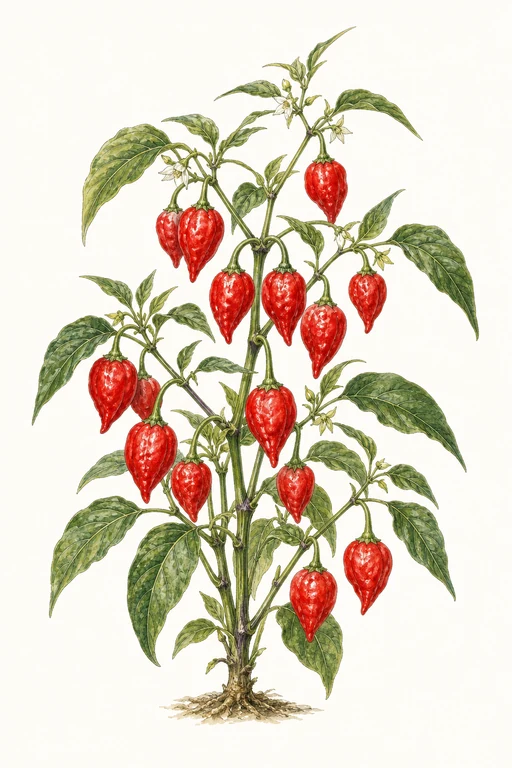
Peppadew (Juanita) produces distinctive, lantern-shaped Aji peppers that ripen to a warm, glossy red with a smooth, taut skin and a pleasantly crisp bite. Ideal for roasting and for vibrant sauces, they also shine when pickled for a sweet-snap heat that enlivens every jar.
Light: Full SunMaturity: 90 DaysHabit: Bush
Location not set yet
Location not set yet
Enter your ZIP for local crop dates
Peppadew (Juanita) Planting Dates by USDA Zone
Estimated US hardiness-zone windows for sow, transplant, and harvest. Enter a US ZIP above for exact local dates, or open a zone below.
| Zone | Start Indoors | Sow / Transplant | Harvest |
|---|---|---|---|
| Zone 1a | Protected Environment Only | ||
| Zone 1b | Protected Environment Only | ||
| Zone 2a | Apr 13th | Jul 20th | Oct 18th – Aug 29th |
| Zone 2b | Apr 3rd | Jul 10th | Oct 8th – Aug 25th |
| Zone 3a | Apr 3rd | Jul 10th | Oct 8th – Sep 1st |
| Zone 3b | Apr 7th | Jul 14th | Oct 12th – Sep 21st |
| Zone 4a | Apr 3rd | Jul 10th | Oct 8th – Sep 24th |
| Zone 4b | Apr 1st | Jul 8th | Oct 6th – Sep 27th |
| Zone 5a | Mar 27th | Jul 3rd | Oct 1st – Sep 30th |
| Zone 5b | Mar 23rd | Jun 29th | Sep 27th – Oct 5th |
| Zone 6a | Mar 20th | Jun 26th | Sep 24th – Oct 10th |
| Zone 6b | Mar 14th | Jun 20th | Sep 18th – Oct 16th |
| Zone 7a | Mar 9th | Jun 15th | Sep 13th – Oct 20th |
| Zone 7b | Feb 27th | Jun 5th | Sep 3rd – Oct 28th |
| Zone 8a | Feb 18th | May 27th | Aug 25th – Nov 5th |
| Zone 8b | Feb 9th | May 18th | Aug 16th – Nov 12th |
| Zone 9a | Jan 23rd | May 1st | Jul 30th – Nov 26th |
| Zone 9b | Dec 29th | Apr 6th | Jul 5th – Dec 9th |
| Zone 10a | Continuous Production | ||
| Zone 10b | Continuous Production | ||
| Zone 11a | Continuous Production | ||
| Zone 11b | Continuous Production | ||
| Zone 12a | Continuous Production | ||
| Zone 12b | Continuous Production | ||
| Zone 13a | Continuous Production | ||
| Zone 13b | Continuous Production | ||
Crop Details
| Trait | Value |
|---|---|
| Days to Maturity | 90 |
| Sun Requirements | Full Sun |
| Growth Habit | Bush |
| Support Needed | Stake |
| Planting Depth | Normal |
| Germination Temp (°F) | 75 |
| Min Soil Temp (°F) | 60 |
| Min Night Temp (°F) | 50 |
| Harden Off (days) | 10 |
Culinary Notes

Chef's Note
Capsicum baccatum peppers like Peppadew (Juanita) lead with perfume and fruit, then snap into a clean, tangy heat—so you want methods that preserve that crispness (roast and peel, or pickle hard). They’re the kind of pepper that can take a jar and a spoon straight to the face: glossy skin, crisp bite, and heat that lingers without turning bitter.

Best Uses
- roast whole until blistered, then peel for a glossy, spoonable sauce
- quick-pickle for jarred sweet-snap heat (works fast—days, not weeks)
- blend into tangy relishes and pizza/flatbread toppings for a crisp pepper pop
- fold into chili oil or warm vinaigrettes for heat without burn

Flavor Profile

Frequently Asked Questions
What pest or disease is most likely on Capsicum baccatum (Peppadew) and how do I treat it?
How often should I water Peppadew during the main growing phase?
How can I tell when Peppadew peppers are ready to harvest?
Sowing Tips

Transplant Conditions
Wait until soil reaches 60°F and nights stay above 50°F before moving outdoors. Harden off for 10 days first.
Expert Note

For best flavor balance, transplant only after soil is consistently warm (around 60°F+) and avoid letting seedlings get chilled at night.