
Pepper
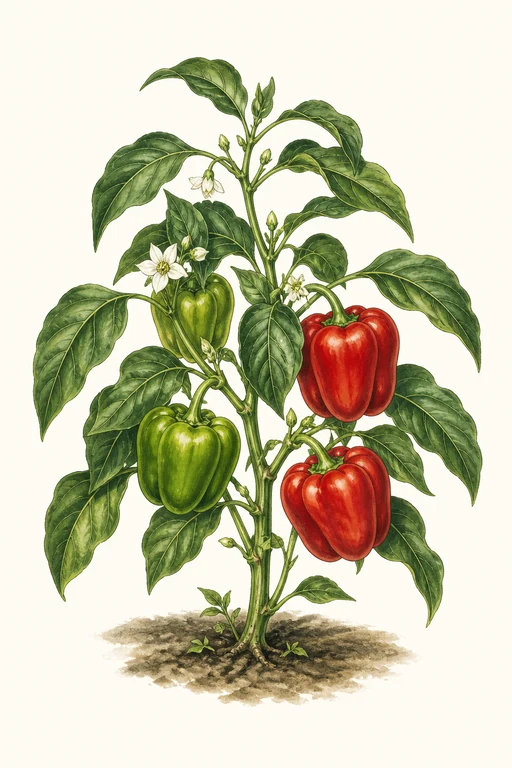
A glossy, lantern-bright bell that catches the light with every turn—this Pepper variety ripens in a vivid, sweet crescendo and fills the garden with a clean, aromatic fragrance.
The flesh is crisp and substantial, with a satisfying snap and a gentle, sweet flavor that shines in fresh salads, roasted displays, and vibrant sauces. Grow it for colorful market-ready harvests at about 70 days, when the fruits hold their shape beautifully on the plant.
Light: Full SunMaturity: 70 DaysHabit: Bush
Location not set yet
Location not set yet
Enter your ZIP for local crop dates
Pepper Planting Dates by USDA Zone
Estimated US hardiness-zone windows for sow, transplant, and harvest. Enter a US ZIP above for exact local dates, or open a zone below.
| Zone | Start Indoors | Sow / Transplant | Harvest |
|---|---|---|---|
| Zone 1a | Protected Environment Only | ||
| Zone 1b | Protected Environment Only | ||
| Zone 2a | Mar 30th | Jul 20th | Sep 28th – Aug 29th |
| Zone 2b | Mar 20th | Jul 10th | Sep 18th – Aug 25th |
| Zone 3a | Mar 20th | Jul 10th | Sep 18th – Sep 1st |
| Zone 3b | Mar 24th | Jul 14th | Sep 22nd – Sep 21st |
| Zone 4a | Mar 20th | Jul 10th | Sep 18th – Sep 24th |
| Zone 4b | Mar 18th | Jul 8th | Sep 16th – Sep 27th |
| Zone 5a | Mar 13th | Jul 3rd | Sep 11th – Sep 30th |
| Zone 5b | Mar 9th | Jun 29th | Sep 7th – Oct 5th |
| Zone 6a | Mar 6th | Jun 26th | Sep 4th – Oct 10th |
| Zone 6b | Feb 28th | Jun 20th | Aug 29th – Oct 16th |
| Zone 7a | Feb 23rd | Jun 15th | Aug 24th – Oct 20th |
| Zone 7b | Feb 13th | Jun 5th | Aug 14th – Oct 28th |
| Zone 8a | Feb 4th | May 27th | Aug 5th – Nov 5th |
| Zone 8b | Jan 26th | May 18th | Jul 27th – Nov 12th |
| Zone 9a | Jan 9th | May 1st | Jul 10th – Nov 26th |
| Zone 9b | Dec 15th | Apr 6th | Jun 15th – Dec 9th |
| Zone 10a | Continuous Production | ||
| Zone 10b | Continuous Production | ||
| Zone 11a | Continuous Production | ||
| Zone 11b | Continuous Production | ||
| Zone 12a | Continuous Production | ||
| Zone 12b | Continuous Production | ||
| Zone 13a | Continuous Production | ||
| Zone 13b | Continuous Production | ||
Crop Details
| Trait | Value |
|---|---|
| Days to Maturity | 70 |
| Sun Requirements | Full Sun |
| Growth Habit | Bush |
| Support Needed | Stake |
| Planting Depth | Normal |
| Germination Temp (°F) | 80 |
| Min Soil Temp (°F) | 60 |
| Min Night Temp (°F) | 50 |
| Harden Off (days) | 10 |
Culinary Notes

Chef's Note
A bell pepper wants heat and time just long enough to coax sugars out—overcook and the crisp walls go soft and watery. This variety’s sweet snap makes it a champion for blistering, where it chars at the edges while staying structurally good for bites.

Best Uses
- high-heat blistering for charred sweetness without collapsing
- raw strips in crunchy salads and slaws
- stuffing and roasting until tender but still sliceable
- quick sauté for glossy, still-crisp stir-fries

Flavor Profile

Frequently Asked Questions
What’s the most common pepper disease or pest in home gardens, and how can I prevent it?
How often should I water peppers during the main growing phase, and what soil moisture target should I aim for?
How do I know when Capsicum annuum is ready to harvest?
What soil preparation and feeding schedule works best for Capsicum annuum?
Should I start pepper plants from seed indoors or direct-sow, and what spacing is best?
What’s a common beginner mistake with peppers, and when does it usually happen?
Sowing Tips

Transplant Conditions
Wait until soil reaches 60°F and nights stay above 50°F before moving outdoors. Harden off for 10 days first.
Expert Note

For best early vigor, transplant only when soil is at least 60°F and nights are reliably above 50°F, then keep moisture consistent to prevent blossom drop.