
Petite Delight
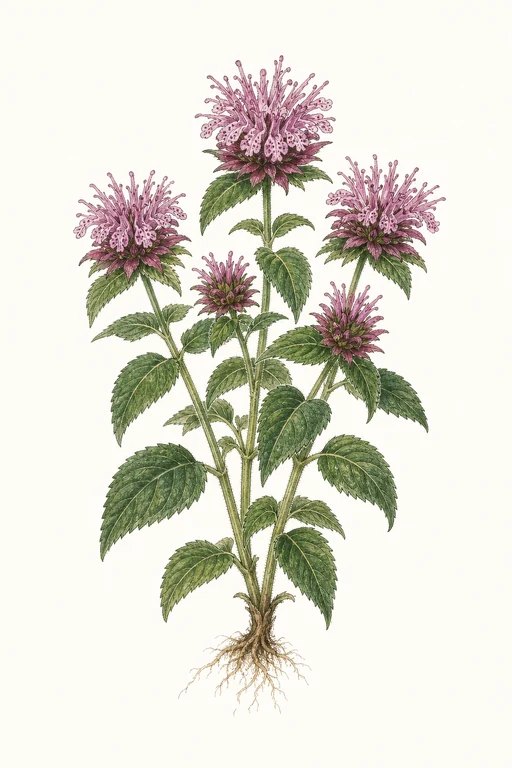
Fragrant, wild-bergamot perfume rises from Petite Delight’s small, vivid blooms—an aromatic blend of minty green and citrusy wildflower that lingers in the air.
The foliage forms a tidy, upright clump of softly textured leaves, offering a fresh, tea-like character with a gentle, floral edge; its compact size makes it especially satisfying for borders and containers. Grow Petite Delight for its long-lasting, nectar-rich flowering display—then enjoy the leaves and blossoms as a fragrant infusion and for brightening herb blends and herbal vinegars.
Light: Full SunMaturity: 70 DaysHabit: Upright
Planting schedules and alerts are optimized for Columbus (Zone 6b).
Crop Dates
| Milestone | Date |
|---|---|
| Start Indoors | Mar 28th |
| Last Frost | Apr 25th |
| Transplant / Sow Outdoors | Jun 20th |
| Harvest Begins | Aug 29th |
| Harvest Ends | Oct 16th |
Crop Details
| Trait | Value |
|---|---|
| Days to Maturity | 70 |
| Sun Requirements | Full Sun |
| Growth Habit | Upright |
| Support Needed | None |
| Planting Depth | Normal |
| Germination Temp (°F) | 70 |
| Min Soil Temp (°F) | 50 |
| Min Night Temp (°F) | 35 |
| Harden Off (days) | 7 |
Culinary Notes

Chef's Note
Monarda fistulosa (Petite Delight) hits with a restrained mint-citrus snap and a true tea-herb character—less “perfume herb,” more drinkable aromatics. Use leaves and the vivid blossoms to thread a cool, floral lift through vinaigrettes, honeyed tea, or herbal vinegar without overpowering the dish.

Best Uses
- hot or iced infusion (leaves and small blooms)
- brightening herb blends for vinaigrettes and pan sauces
- floral-leaning herbal vinegar or quick pickles
- topping fruit salads and grilled meats with a light, aromatic shake

Flavor Profile

Kitchen Pairings
Frequently Asked Questions
What pest or disease issue commonly affects Monarda fistulosa (bee balm), and how do I treat it?
How often should I water Monarda fistulosa during its main growing phase?
How can I tell when Monarda fistulosa (Petite Delight) is ready to harvest?
Sowing Tips

Transplant Conditions
Wait until soil reaches 50°F and nights stay above 35°F before moving outdoors. Harden off for 7 days first.
Expert Note

Start plants with good airflow and avoid overwatering—compact wild bergamot does best in bright sun with moderately dry, well-drained soil.