
Phoenix
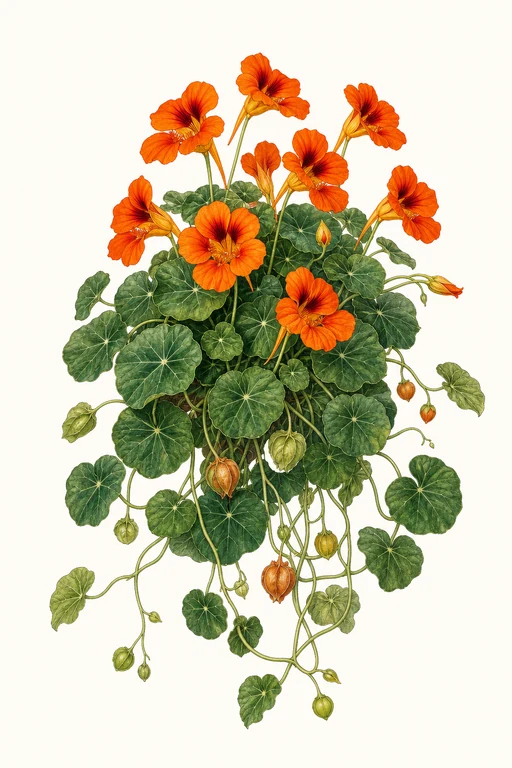
A riot of warm, sunlit color—Phoenix nasturtium blooms with velvety, painterly petals that glow like ember-orange over lush, trailing foliage.
The leaves and blossoms offer a peppery, lively bite with a crisp, tender snap, perfect for bright garnishes and vibrant flavor-forward salads, while the seeds mature for bold, tangy pickling. Grow Phoenix for a fast, showy 50-day burst of edible beauty that spills gracefully from containers or garden edges.
Light: Full SunMaturity: 50 DaysHabit: Vine
Location not set yet
Location not set yet
Enter your ZIP for local crop dates
Phoenix Planting Dates by USDA Zone
Estimated US hardiness-zone windows for sow, transplant, and harvest. Enter a US ZIP above for exact local dates, or open a zone below.
| Zone | Start Indoors | Sow / Transplant | Harvest |
|---|---|---|---|
| Zone 1a | Protected Environment Only | ||
| Zone 1b | Direct Sow | Jun 1st | Jul 21st – Aug 1st |
| Zone 2a | Direct Sow | May 25th | Jul 14th – Aug 29th |
| Zone 2b | Direct Sow | May 15th | Jul 4th – Aug 25th |
| Zone 3a | Direct Sow | May 15th | Jul 4th – Sep 1st |
| Zone 3b | Direct Sow | May 19th | Jul 8th – Sep 21st |
| Zone 4a | Direct Sow | May 15th | Jul 4th – Sep 24th |
| Zone 4b | Direct Sow | May 13th | Jul 2nd – Sep 27th |
| Zone 5a | Direct Sow | May 8th | Jun 27th – Sep 30th |
| Zone 5b | Direct Sow | May 4th | Jun 23rd – Oct 5th |
| Zone 6a | Direct Sow | May 1st | Jun 20th – Oct 10th |
| Zone 6b | Direct Sow | Apr 25th | Jun 14th – Oct 16th |
| Zone 7a | Direct Sow | Apr 20th | Jun 9th – Oct 20th |
| Zone 7b | Direct Sow | Apr 10th | May 30th – Oct 28th |
| Zone 8a | Direct Sow | Apr 1st | May 21st – Nov 5th |
| Zone 8b | Direct Sow | Mar 23rd | May 12th – Nov 12th |
| Zone 9a | Direct Sow | Mar 6th | Apr 25th – Nov 26th |
| Zone 9b | Direct Sow | Feb 9th | Mar 31st – Dec 9th |
| Zone 10a | Continuous Production | ||
| Zone 10b | Continuous Production | ||
| Zone 11a | Continuous Production | ||
| Zone 11b | Continuous Production | ||
| Zone 12a | Continuous Production | ||
| Zone 12b | Continuous Production | ||
| Zone 13a | Continuous Production | ||
| Zone 13b | Continuous Production | ||
Crop Details
| Trait | Value |
|---|---|
| Days to Maturity | 50 |
| Sun Requirements | Full Sun |
| Growth Habit | Vine |
| Support Needed | None |
| Planting Depth | Normal |
| Germination Temp (°F) | 70 |
| Min Soil Temp (°F) | 45 |
| Min Night Temp (°F) | 35 |
| Harden Off (days) | 5 |
Culinary Notes

Chef's Note
Phoenix nasturtium blooms are built for eating immediately—velvety petals with a peppery snap that survives a quick toss but hates long soaking. It’s the kind of garnish that wakes up a salad or turns a simple cheese plate into something lively, and the seed crop is your shortcut to tangy “caper” energy.

Best Uses
- petal-forward salad topper where you want a clean peppery crunch
- garnish that performs on hot plates—finish after heat for maximum snap
- quick pickling of mature seeds for sharp, caper-like pop
- leaf-and-blossom tosses with vinaigrettes that can cut the pepper edge

Flavor Profile

Kitchen Pairings
Frequently Asked Questions
What pest or disease problems commonly affect Tropaeolum majus (nasturtium), and how can I control them?
How often should I water Tropaeolum majus during the main growing phase to keep it flowering?
How do I know when Tropaeolum majus is ready to harvest?
Sowing Tips

Transplant Conditions
Wait until soil reaches 45°F and nights stay above 35°F before moving outdoors. Harden off for 5 days first.

Direct Sow Preferred
Sensitive roots — does not transplant well. If starting indoors, use biodegradable pots and disturb roots as little as possible when moving outdoors.
Expert Note

Soak nasturtium seed 6–12 hours and sow after frost; they establish best with minimal root disturbance and will still bloom well in lean soil.