
Pistou
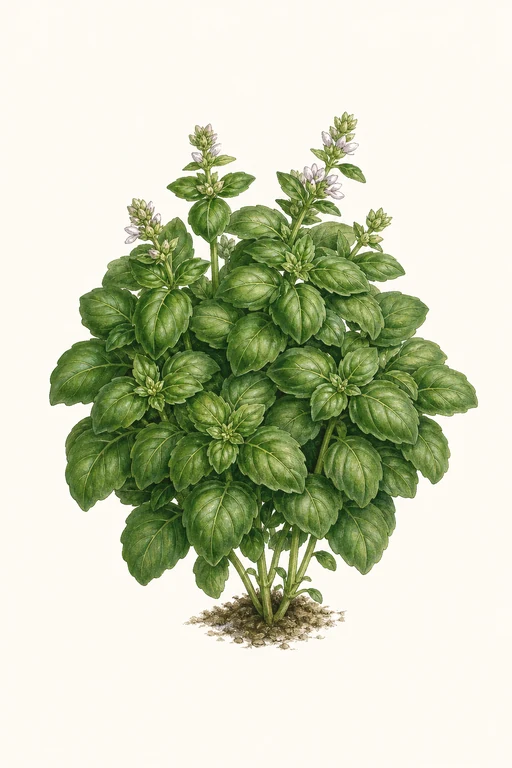
Fragrant as a sunlit garden path, Pistou basil unfurls with lush, medium-to-large leaves that feel velvety to the touch and release a bright, classic aroma when brushed.
The flavor is vivid and balanced—sweet-green with a gentle peppery lift—ideal for turning everyday dishes into fragrant favorites. Grow Pistou for steady, bushy harvests from early summer through the season, with tender leaves that shine fresh and also hold their character beautifully in sauces and pesto-style blends.
Light: Full SunMaturity: 50 DaysHabit: Bush
Location not set yet
Location not set yet
Enter your ZIP for local crop dates
Pistou Planting Dates by USDA Zone
Estimated US hardiness-zone windows for sow, transplant, and harvest. Enter a US ZIP above for exact local dates, or open a zone below.
| Zone | Start Indoors | Sow / Transplant | Harvest |
|---|---|---|---|
| Zone 1a | Protected Environment Only | ||
| Zone 1b | May 18th | Jul 13th | Sep 1st – Aug 1st |
| Zone 2a | May 11th | Jul 6th | Aug 25th – Aug 29th |
| Zone 2b | May 1st | Jun 26th | Aug 15th – Aug 25th |
| Zone 3a | May 1st | Jun 26th | Aug 15th – Sep 1st |
| Zone 3b | May 5th | Jun 30th | Aug 19th – Sep 21st |
| Zone 4a | May 1st | Jun 26th | Aug 15th – Sep 24th |
| Zone 4b | Apr 29th | Jun 24th | Aug 13th – Sep 27th |
| Zone 5a | Apr 24th | Jun 19th | Aug 8th – Sep 30th |
| Zone 5b | Apr 20th | Jun 15th | Aug 4th – Oct 5th |
| Zone 6a | Apr 17th | Jun 12th | Aug 1st – Oct 10th |
| Zone 6b | Apr 11th | Jun 6th | Jul 26th – Oct 16th |
| Zone 7a | Apr 6th | Jun 1st | Jul 21st – Oct 20th |
| Zone 7b | Mar 27th | May 22nd | Jul 11th – Oct 28th |
| Zone 8a | Mar 18th | May 13th | Jul 2nd – Nov 5th |
| Zone 8b | Mar 9th | May 4th | Jun 23rd – Nov 12th |
| Zone 9a | Feb 20th | Apr 17th | Jun 6th – Nov 26th |
| Zone 9b | Jan 26th | Mar 23rd | May 12th – Dec 9th |
| Zone 10a | — | Oct 1st | Nov 20th – Feb 28th |
| Zone 10b | — | Oct 1st | Nov 20th – Feb 28th |
| Zone 11a | — | Oct 1st | Nov 20th – Feb 28th |
| Zone 11b | — | Oct 1st | Nov 20th – Feb 28th |
| Zone 12a | — | Oct 1st | Nov 20th – Feb 28th |
| Zone 12b | — | Oct 1st | Nov 20th – Feb 28th |
| Zone 13a | — | Oct 1st | Nov 20th – Feb 28th |
| Zone 13b | — | Oct 1st | Nov 20th – Feb 28th |
Crop Details
| Trait | Value |
|---|---|
| Days to Maturity | 50 |
| Sun Requirements | Full Sun |
| Growth Habit | Bush |
| Support Needed | None |
| Planting Depth | Normal |
| Germination Temp (°F) | 70 |
| Min Soil Temp (°F) | 60 |
| Min Night Temp (°F) | 50 |
| Harden Off (days) | 10 |
Culinary Notes

Chef's Note
Pistou basil’s sweet-green aroma with a mild peppery edge is made for dishes where the herb is the headline—torn fresh, swirled into pistou/pesto, or lightly warmed without losing its perfume. Keep it out of heavy heat; it stays velvety and fragrant when it’s added at the end or blended and served quickly.

Best Uses
- fresh torn-leaf finish for salads and bean dishes
- no-cook pistou-style spoon-over for warm vegetables and bread
- pesto-style blend where you want a fragrant, smooth herb hit
- quick sauté or wilt-in for green sides before seasoning

Flavor Profile

Kitchen Pairings
Frequently Asked Questions
What is a common pest or disease for Ocimum basilicum (basil), and how should I treat it?
How often should I water Ocimum basilicum during the main growing phase?
How can I tell when Ocimum basilicum is ready to harvest?
Sowing Tips

Transplant Conditions
Wait until soil reaches 60°F and nights stay above 50°F before moving outdoors. Harden off for 10 days first.
Expert Note

Because pistou is grown as a fresh, small-leaf vegetable crop and is not reliably transplant-friendly, sow directly where it will grow for best texture and uniformity.