
Polana
Sunlit berries of Polana arrive with a beguiling, jewel-bright sweetness and a pleasantly tart edge, their flavor lingering like summer fruit at its most vivid.
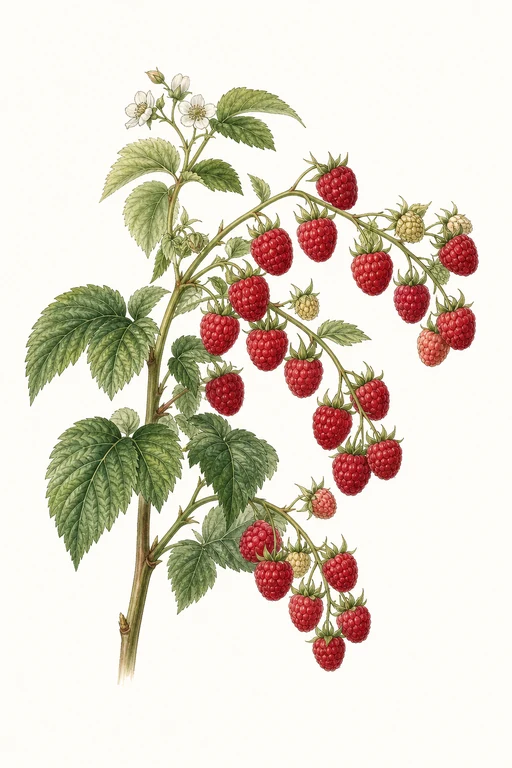
At maturity, the canes bear generous clusters of medium-to-large raspberries with a tender, juicy texture—soft enough to burst with each bite, yet substantial in the hand for gathering. Ideal for fresh enjoyment and for turning into lush sauces and preserves that capture Polana’s bright, balanced character.
Light: Full SunMaturity: 90 DaysHabit: Upright
Planting schedules and alerts are optimized for Columbus (Zone 6b).
Crop Dates
| Milestone | Date |
|---|---|
| Start Indoors | Direct Sow |
| Last Frost | Apr 25th |
| Transplant / Sow Outdoors | Apr 25th |
| Harvest Begins | Jul 24th |
| Harvest Ends | Oct 16th |
Crop Details
| Trait | Value |
|---|---|
| Days to Maturity | 90 |
| Sun Requirements | Full Sun |
| Growth Habit | Upright |
| Support Needed | Trellis |
| Planting Depth | Normal |
| Germination Temp (°F) | 70 |
| Min Soil Temp (°F) | 40 |
| Min Night Temp (°F) | 28 |
| Harden Off (days) | 7 |
Culinary Notes

Chef's Note
Polana’s sweet-tart balance and juicy tenderness make it happiest when you don’t overcook it—quick heat keeps the berries luminous and spoon-coating. The flavor holds up beautifully against chocolate and dairy, where that raspberry snap cuts through richness without turning flat.

Best Uses
- eat-and-go fresh handfuls (best cool, not room-temp mush)
- quick raspberry sauce—lightly simmered to keep it glossy, not jammy
- seed-inclusive preserves or coulis for cheesecake swirls
- stir into yogurt or crème fraîche and let the tartness do the singing

Flavor Profile

Kitchen Pairings
Frequently Asked Questions
What’s a common disease or pest for Polana (Rubus idaeus), and how do I prevent and treat it?
How often should I water Polana during the main growing season, and what soil moisture level should I maintain?
How can I tell when Polana is ready to harvest?
Sowing Tips

Transplant Conditions
Wait until soil reaches 40°F and nights stay above 28°F before moving outdoors. Harden off for 7 days first.
Expert Note

Plant raspberries so the crown sits at soil level (not buried), keep soil evenly moist, and use summer pruning to limit canes while leaving healthy primocanes for fall fruit.