
Prelude
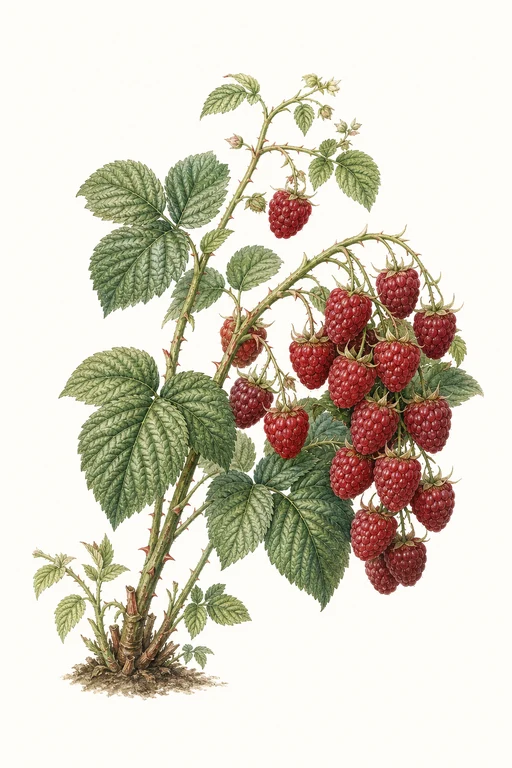
Sunlit, jewel-bright raspberries of Prelude arrive with a sweet-tart perfume and a tender, melt-in-your-mouth texture that feels almost velvety on the palate.
Expect berries that are richly colored and delightfully juicy, ideal for fresh enjoyment and for turning into luscious sauces, preserves, and vibrant desserts. With about 50 days to maturity, Prelude is a fast, rewarding choice for gardeners who want a steady harvest of fragrant berries from the first blush of summer onward.
Light: Full SunMaturity: 50 DaysHabit: Shrub
Planting schedules and alerts are optimized for Columbus (Zone 6b).
Crop Dates
| Milestone | Date |
|---|---|
| Start Indoors | Direct Sow |
| Last Frost | Apr 25th |
| Transplant / Sow Outdoors | Apr 25th |
| Harvest Begins | Jun 14th |
| Harvest Ends | Oct 16th |
Crop Details
| Trait | Value |
|---|---|
| Days to Maturity | 50 |
| Sun Requirements | Full Sun |
| Growth Habit | Shrub |
| Support Needed | None |
| Planting Depth | Normal |
| Germination Temp (°F) | 65 |
| Min Soil Temp (°F) | N/A |
| Min Night Temp (°F) | 28 |
| Harden Off (days) | Not Required |
Culinary Notes

Chef's Note
Prelude’s sweet-tart profile and tender, velvety berries make it shine with minimal heat—fast sauces and cold desserts keep that bright perfume intact. Use it where you want juice and aroma to do the heavy lifting, because it’s delicate enough that long cooking can flatten the character.

Best Uses
- fresh pile on yogurt or oatmeal—no cooking needed
- quick raspberry sauce for pancakes or pork—just a fast simmer to keep it lively
- jammy preserves with a jam-setter sugar for spoonable thickness
- macarons, tart shells, and fool/cremeaux where the berries stay fragrant rather than losing shape

Flavor Profile

Kitchen Pairings
Frequently Asked Questions
How do I manage botrytis (gray mold) on Rubus idaeus (raspberries) during cool, humid weather?
What watering schedule and soil moisture level should I maintain for Rubus idaeus during the main growing phase?
How can I tell when Rubus idaeus is ready to harvest at about 50 days?
Sowing Tips

Transplant Conditions
Wait until soil reaches 60°F and nights stay above 28°F before moving outdoors.
Expert Note

For early harvest like ‘Prelude,’ plant in full sun with well-drained soil, then prune properly (remove spent floricanes and thin primocanes) to keep vigor and maximize early primocane fruiting.