
Prinz
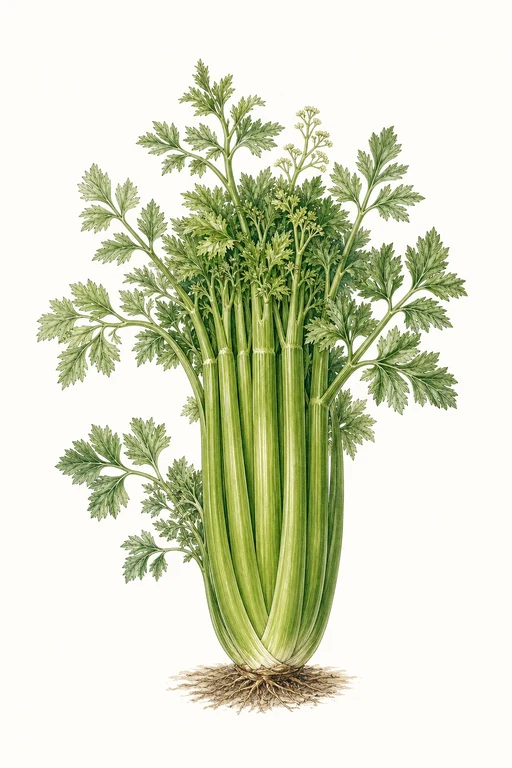
Fragrant and richly sweet, Prinz celery forms crisp, tender stalks that feel cool and clean in the hand—an inviting crunch with a bright, green snap.
The flavor is notably mellow and aromatic, holding its character beautifully whether you’re enjoying it straight from the garden or using it to build flavorful bases and relish-style preparations. Grow Prinz for a steady, garden-to-table harvest of uniform, well-filled stems that stand up with confidence through the season’s shifting temperatures.
Light: Part SunMaturity: 90 DaysHabit: Rosette
Location not set yet
Location not set yet
Enter your ZIP for local crop dates
Prinz Planting Dates by USDA Zone
Estimated US hardiness-zone windows for sow, transplant, and harvest. Enter a US ZIP above for exact local dates, or open a zone below.
| Zone | Start Indoors | Sow / Transplant | Harvest |
|---|---|---|---|
| Zone 1a | Protected Environment Only | ||
| Zone 1b | Protected Environment Only | ||
| Zone 2a | Mar 16th | May 25th | Aug 23rd – Aug 29th |
| Zone 2b | Mar 6th | May 15th | Aug 13th – Aug 25th |
| Zone 3a | Mar 6th | May 15th | Aug 13th – Sep 1st |
| Zone 3b | Mar 10th | May 19th | Aug 17th – Sep 21st |
| Zone 4a | Mar 6th | May 15th | Aug 13th – Sep 24th |
| Zone 4b | Mar 4th | May 13th | Aug 11th – Sep 27th |
| Zone 5a | Feb 27th | May 8th | Aug 6th – Sep 30th |
| Zone 5b | Feb 23rd | May 4th | Aug 2nd – Oct 5th |
| Zone 6a | Feb 20th | May 1st | Jul 30th – Oct 10th |
| Zone 6b | Feb 14th | Apr 25th | Jul 24th – Oct 16th |
| Zone 7a | Feb 9th | Apr 20th | Jul 19th – Oct 20th |
| Zone 7b | Jan 30th | Apr 10th | Jul 9th – Oct 28th |
| Zone 8a | Jan 21st | Apr 1st | Jun 30th – Nov 5th |
| Zone 8b | Jan 12th | Mar 23rd | Jun 21st – Nov 12th |
| Zone 9a | Dec 26th | Mar 6th | Jun 4th – Nov 26th |
| Zone 9b | Dec 1st | Feb 9th | May 10th – Dec 9th |
| Zone 10a | Continuous Production | ||
| Zone 10b | Continuous Production | ||
| Zone 11a | Continuous Production | ||
| Zone 11b | Continuous Production | ||
| Zone 12a | Continuous Production | ||
| Zone 12b | Continuous Production | ||
| Zone 13a | Continuous Production | ||
| Zone 13b | Continuous Production | ||
Crop Details
| Trait | Value |
|---|---|
| Days to Maturity | 90 |
| Sun Requirements | Part Sun |
| Growth Habit | Rosette |
| Support Needed | None |
| Planting Depth | Normal |
| Germination Temp (°F) | 70 |
| Min Soil Temp (°F) | 45 |
| Min Night Temp (°F) | 35 |
| Harden Off (days) | 6 |
Culinary Notes

Chef's Note
Prinz celery tastes like it was engineered for crunch—sweet, aromatic, and clean—so it holds up in chopped preparations without turning watery. It’s the kind of stalk that makes a stock or braise feel fresh from the first simmer, then still delivers snap when you bite back in.

Best Uses
- ice-cold snacking sticks with flaky salt
- mirepoix-style base for soups and braises (keeps shape, not mushy)
- relish and chopped salads where you want an uncompromising crunch
- quick pickling for tangy, herbal snap

Flavor Profile

Kitchen Pairings
Frequently Asked Questions
What pest or disease most often affects celery (Apium graveolens var. dulce), and how can I manage it?
How often should I water sweet celery during the main growing phase, and what soil moisture level should I maintain?
How do I know when sweet celery (Apium graveolens var. dulce) is ready to harvest?
Sowing Tips

Transplant Conditions
Wait until soil reaches 45°F and nights stay above 35°F before moving outdoors. Harden off for 6 days first.
Expert Note

Start celeriac indoors early and transplant only when nights are reliably above freezing to keep roots from stalling; harvest “baby” size earlier for tenderness.