
Purple Artichoke
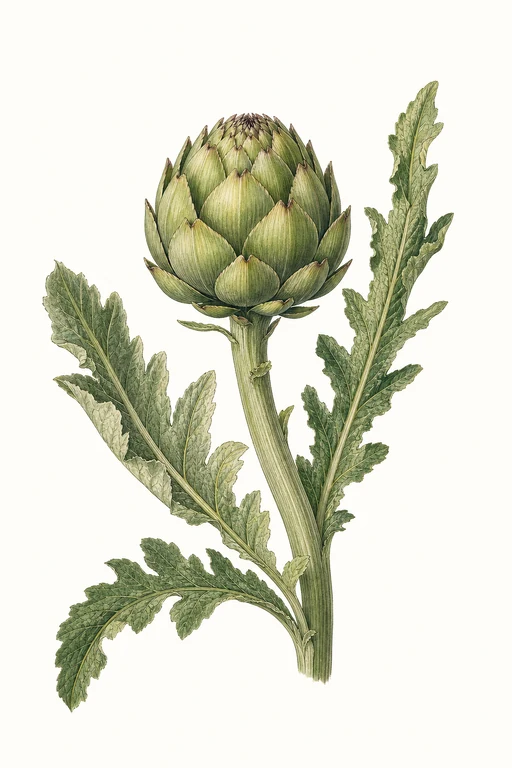
Velvety, deep-purple globes unfurl with a dramatic, regal sheen—tender at the heart and richly flavored with a gentle earthiness and a sweet, nutty finish.
Purple Artichoke forms substantial, globe-shaped heads with tightly layered bracts that feel crisp and resilient, turning beautifully for roasting and steaming, and lending themselves to silky dips, savory spreads, and tangy pickled accents. For the home gardener, it’s a showpiece that rewards patience: plant, watch the plume-like foliage gather, and harvest mature heads at peak color and firmness.
Light: Full SunMaturity: 85 DaysHabit: Clumping
Planting schedules and alerts are optimized for Columbus (Zone 6b).
Crop Dates
| Milestone | Date |
|---|---|
| Start Indoors | Feb 14th |
| Last Frost | Apr 25th |
| Transplant / Sow Outdoors | Apr 18th |
| Harvest Begins | Jul 12th |
| Harvest Ends | Oct 16th |
Crop Details
| Trait | Value |
|---|---|
| Days to Maturity | 85 |
| Sun Requirements | Full Sun |
| Growth Habit | Clumping |
| Support Needed | None |
| Planting Depth | Normal |
| Germination Temp (°F) | 70 |
| Min Soil Temp (°F) | 45 |
| Min Night Temp (°F) | 35 |
| Harden Off (days) | 7 |
Culinary Notes

Chef's Note
Purple artichoke heads carry a sweet-nutty heart under a mild, classy bitterness—so it loves bright acid and rich fats to round the edges. Roast or steam until the interior turns creamy; the bracts should stay crisp enough to dunk, scrape, and chew without turning to mush.

Best Uses
- steam-to-silken centers for lemony butter dip
- roast bracts until edges go bronzed and slightly smoky, then scrape and eat
- purée into a silky spread or dip with capers and herbs
- quick-pickle bract tips for tangy, crunchy bites

Flavor Profile

Kitchen Pairings
Frequently Asked Questions
What pest or disease commonly affects Cynara scolymus (purple artichoke), and how do I manage it?
How often should I water purple artichoke during its main growing phase?
How can I tell when purple artichokes (Cynara scolymus) are ready to harvest?
Sowing Tips

Transplant Conditions
Wait until soil reaches 45°F and nights stay above 35°F before moving outdoors. Harden off for 7 days first.
Expert Note

Start plants early and avoid stressing them—artichokes establish best with plenty of cool growth before warm weather arrives.