
Purple Vienna
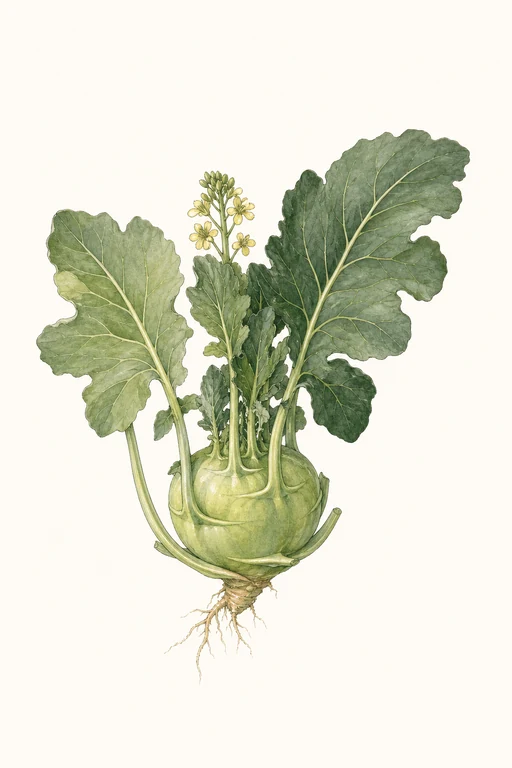
Sweetly crisp and vividly colored, Purple Vienna kohlrabi forms a smooth, globe-like bulb in a rich violet-purple that deepens as it matures.
The flesh is tender and fine-grained with a clean, mild bite—ideal for fresh snacking, quick roasting, and brightening into slaws and slaw-style salads. Grow it for a striking garden centerpiece and a reliable 55-day harvest that keeps well for weeknight variety and effortless serving.
Light: Full SunMaturity: 55 DaysHabit: Upright
Planting schedules and alerts are optimized for Columbus (Zone 6b).
Crop Dates
| Milestone | Date |
|---|---|
| Start Indoors | Mar 28th |
| Last Frost | Apr 25th |
| Transplant / Sow Outdoors | Apr 25th |
| Harvest Begins | Jun 19th |
| Harvest Ends | Oct 16th |
Crop Details
| Trait | Value |
|---|---|
| Days to Maturity | 55 |
| Sun Requirements | Full Sun |
| Growth Habit | Upright |
| Support Needed | None |
| Planting Depth | Normal |
| Germination Temp (°F) | 45 |
| Min Soil Temp (°F) | 45 |
| Min Night Temp (°F) | 32 |
| Harden Off (days) | 6 |
Culinary Notes

Chef's Note
Purple Vienna’s fine-grained, sweet-crisp flesh makes it feel more delicate than typical cabbagey brassicas—fast cooking keeps the bite intact instead of turning tough. It’s built for brightness (lemon/vinegar) and dairy (butter or yogurt), where its mild bite stays lively rather than cabbage-sour.

Best Uses
- shaved or matchsticked kohlrabi slaw under a bright, vinegar-forward dressing
- quick sauté or roast until edges bronze while the center stays crisp-tender
- hot sheet-pan toss with butter, lemon, and a little pepper for a fast side
- thin-sliced snacking with salt, yogurt, or herby dips

Flavor Profile

Kitchen Pairings
Frequently Asked Questions
What pest or disease most commonly affects Brassica oleracea var. gongylodes (purple Vienna kohlrabi), and how can I control it?
How often should I water purple Vienna kohlrabi during the main growing phase to avoid problems?
When is purple Vienna kohlrabi ready to harvest, and how do I know?
Sowing Tips

Transplant Conditions
Wait until soil reaches 45°F and nights stay above 32°F before moving outdoors. Harden off for 6 days first.
Expert Note

For the sweetest, most tender bulbs, keep soil evenly moist and harvest when kohlrabi is about tennis-ball size.