
Pusa Kirat
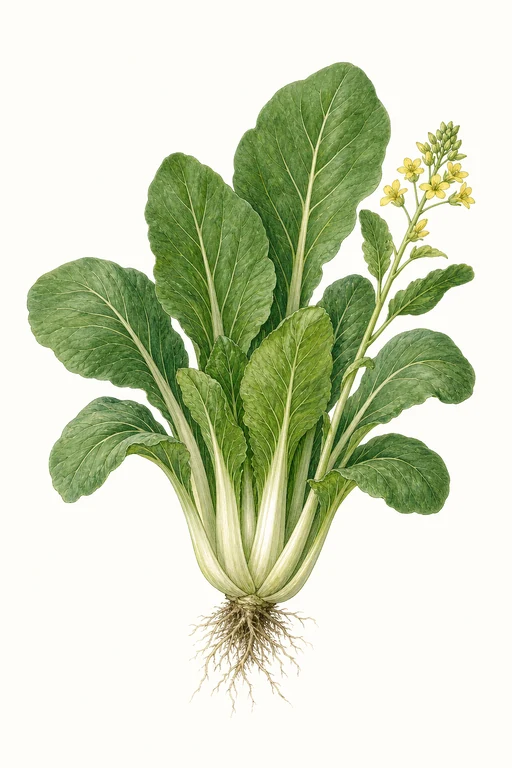
Tender, richly colored callaloo foliage is the first delight of Pusa Kirat—leaf blades unfurl in a vivid green with warm, coppery-red undertones that look as fresh as they taste.
The texture is pleasantly succulent and smooth, with a mild, leafy flavor that shines when gathered young at about 55 days. Grow Pusa Kirat for abundant, quick harvests that are ideal for vibrant greens in sautés, soups, and hearty stews, or for blending into silky sauces and pickled-style preparations.
Light: Full SunMaturity: 55 DaysHabit: Upright
Planting schedules and alerts are optimized for Columbus (Zone 6b).
Crop Dates
| Milestone | Date |
|---|---|
| Start Indoors | Direct Sow |
| Last Frost | Apr 25th |
| Transplant / Sow Outdoors | Apr 25th |
| Harvest Begins | Jun 19th |
| Harvest Ends | Oct 16th |
Crop Details
| Trait | Value |
|---|---|
| Days to Maturity | 55 |
| Sun Requirements | Full Sun |
| Growth Habit | Upright |
| Support Needed | None |
| Planting Depth | Normal |
| Germination Temp (°F) | 75 |
| Min Soil Temp (°F) | 70 |
| Min Night Temp (°F) | 50 |
| Harden Off (days) | Not Required |
Culinary Notes

Chef's Note
Pusa Kirat callaloo is a gentle-flavored green that cooks fast, so it keeps a succulent, smooth bite instead of going fibrous. Its mildness takes bold seasoning—lime, ginger, chili, and creamy coconut—without turning bitter or muddy.

Best Uses
- sautéed greens with garlic and a splash of vinegar so they stay glossy and not stringy
- stew pot callaloo—added near the end to keep them green and silky
- silky blended sauces where the leaf turns velvety without tasting “grassy”
- pickled-style greens or quick-ferment relish for tangy contrast

Flavor Profile

Kitchen Pairings
Frequently Asked Questions
What common pest or disease affects Amaranthus tricolor (Pusa Kirat), and how do I manage it at home?
How often should I water Pusa Kirat during the main growing phase?
How can I tell when Pusa Kirat (Amaranthus tricolor) is ready to harvest?
Sowing Tips

Transplant Conditions
Wait until soil reaches 70°F and nights stay above 50°F before moving outdoors.
Expert Note

Start it like a cool-season leafy brassica, then transplant only once nights are reliably above freezing for faster establishment and repeated leaf harvests without bolting.