
Red Cherry Large Fruited
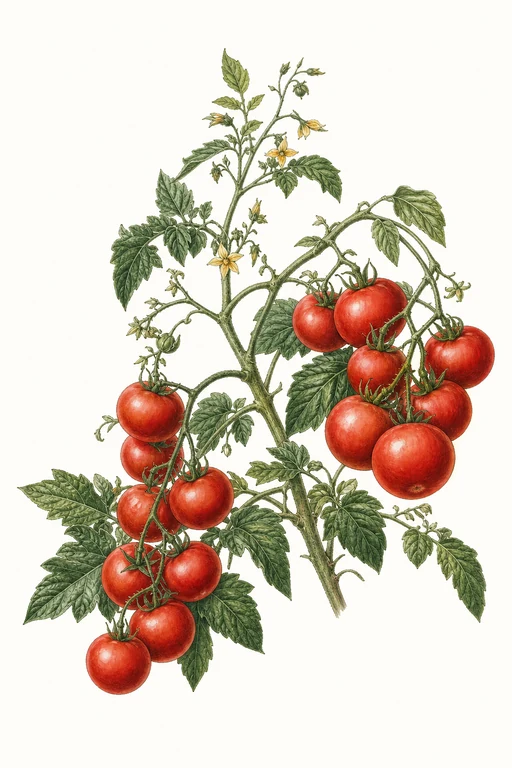
Sun-warmed sweetness bursts from Red Cherry Large Fruited—an abundant cluster of glossy, true-red fruits with a pleasantly juicy bite and a tender, thin skin.
Expect a vigorous, productive plant that delivers larger-than-average cherry tomatoes for their class, ideal for fresh snacking and for vibrant sauces where their bright color and balanced flavor shine. Grow them for garden-to-plate color: they’re as beautiful as they are flavorful, with a clean, aromatic tomato character that keeps you reaching back for another vine-ripe gem.
Light: Full SunMaturity: 60 DaysHabit: Indeterminate
Crop Dates : 8a
| Milestone | Date |
|---|---|
| Start Indoors | Feb 11th |
| Last Frost | Apr 1st |
| Transplant / Sow Outdoors | May 27th |
| Harvest Begins | Jul 26th |
| Harvest Ends | Nov 5th |
Crop Details
| Trait | Value |
|---|---|
| Days to Maturity | 60 |
| Sun Requirements | Full Sun |
| Growth Habit | Indeterminate |
| Support Needed | Stake |
| Planting Depth | Deep |
| Germination Temp (°F) | 75 |
| Min Soil Temp (°F) | 60 |
| Min Night Temp (°F) | 50 |
| Harden Off (days) | 8 |
Culinary Notes

Chef's Note
These larger-than-average cherry tomatoes give you a juicy, balanced pop—sweet first, then a clean tang—without the chewy skin you sometimes get from smaller, firmer types. They blister quickly and turn into a glossy, bright pan sauce that coats bread and greens instead of just steaming them.

Best Uses
- vine-to-salad snacking where the thin skin stays pleasant
- quick blistered pan sauce—just heat until skins split and juices become glossy
- burst-in-the-mouth topping for bruschetta or crostini
- bright, red tomato relish (short-cooked, then hit with salt and acid)

Flavor Profile

Kitchen Pairings
Frequently Asked Questions
What pests or diseases commonly affect Solanum lycopersicum (cherry tomatoes), and how do I control them?
How often should I water Solanum lycopersicum during the main growing phase to prevent cracking or blossom-end rot?
How can I tell when my cherry tomatoes (Solanum lycopersicum) are ready to harvest?
Sowing Tips

Transplant Conditions
Wait until soil reaches 60°F and nights stay above 50°F before moving outdoors. Harden off for 8 days first.
Expert Note

For best flavor and fewer split fruits, transplant into warm soil (60°F+) and keep soil moisture consistent once the first flowers set.