
Red Garnet
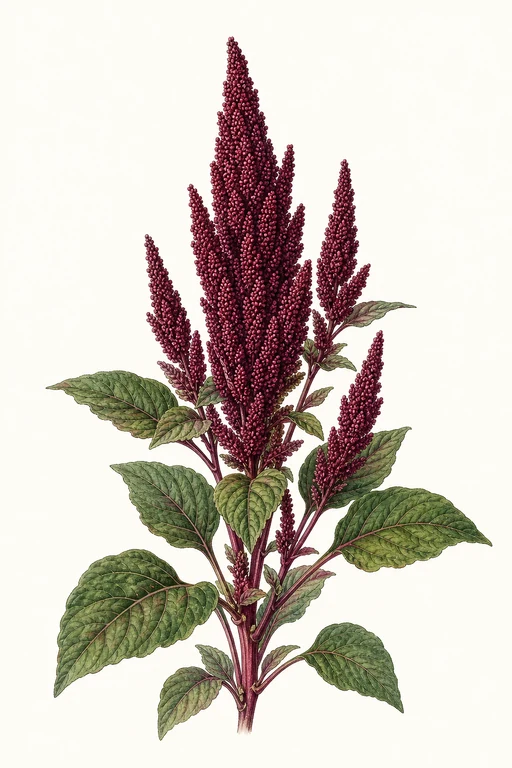
Velvety, jewel-toned berry clusters—deep garnet-red to wine-purple—rise with a dramatic, candlelike presence, offering a rich, earthy sweetness and a pleasantly chewy bite.
Red Garnet’s dense, upright plumes develop quickly (about 35 days), with seeds that finish in a crisp, dry texture ideal for pantry use and a bold color that stays vibrant. Grow it for striking ornamental impact and for amaranth seed harvests that deliver a hearty, nutty character in grain-style preparations and colorful mixes.
Light: Full SunMaturity: 35 DaysHabit: Upright
Planting schedules and alerts are optimized for Columbus (Zone 6b).
Crop Dates
| Milestone | Date |
|---|---|
| Start Indoors | Direct Sow |
| Last Frost | Apr 25th |
| Transplant / Sow Outdoors | Apr 25th |
| Harvest Begins | May 30th |
| Harvest Ends | Oct 16th |
Crop Details
| Trait | Value |
|---|---|
| Days to Maturity | 35 |
| Sun Requirements | Full Sun |
| Growth Habit | Upright |
| Support Needed | None |
| Planting Depth | Normal |
| Germination Temp (°F) | 70 |
| Min Soil Temp (°F) | 60 |
| Min Night Temp (°F) | 50 |
| Harden Off (days) | Not Required |
Culinary Notes

Chef's Note
Red Garnet amaranth leans earthy and berry-sweet, and it earns its keep with a chewy mouthfeel that won’t fall apart when simmered or folded into warm grains. The seeds finish dry and crisp when handled right, so they toast up with a hearty, nutty snap that plays beautifully with fatty proteins and bright citrus.

Best Uses
- cook the seed like a nutty, rice-style grain for bowl dinners
- toast seeds for crunchy salad topping and granola-style mixes
- use the dense, velvety berry clusters as a jammy spooning compote
- fold into pilafs or colorful grain salads where the color needs to stay loud

Flavor Profile

Frequently Asked Questions
What pest or disease most commonly affects Amaranthus cruentus (Red Garnet), and how can I control it?
How often should I water Amaranthus cruentus during its main growing phase?
How do I tell when to harvest Red Garnet amaranth (Amaranthus cruentus)?
Sowing Tips

Transplant Conditions
Wait until soil reaches 60°F and nights stay above 50°F before moving outdoors.
Expert Note

For deepest beet-red color, grow Red Garnet densely and keep moisture consistent—harvest as microgreens at cotyledon to first-true-leaf stage for best flavor.