
Red Hawk
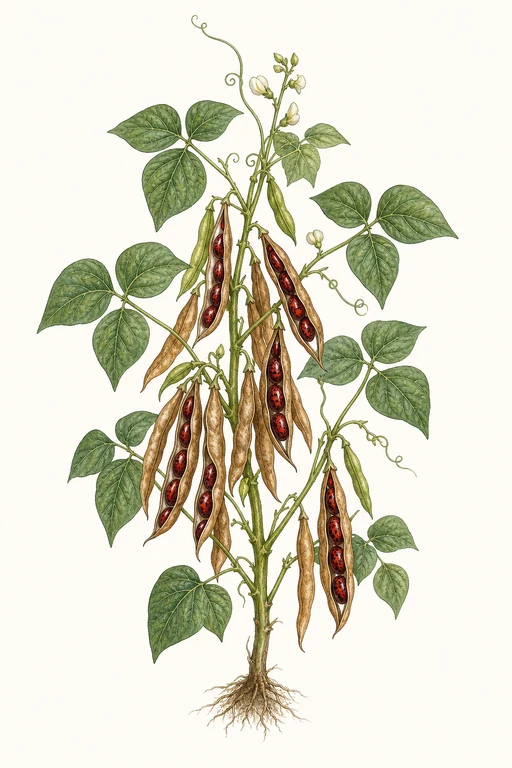
Savory-sweet aroma blooms as the pods mature, then the seeds dry down to a striking, velvety red that feels almost plush in the hand.
“Red Hawk” dry beans develop a dense, creamy interior when rehydrated, with a smooth, satisfying bite and a rich, earthy depth that shines in hearty pot-style favorites. Grow them for pantry-ready staples—ideal for bean-forward soups, stews, and slow-simmered dishes where their color and character hold their own.
Light: Full SunMaturity: 95 DaysHabit: Bush
Planting schedules and alerts are optimized for Columbus (Zone 6b).
Crop Dates
| Milestone | Date |
|---|---|
| Start Indoors | Direct Sow |
| Last Frost | Apr 25th |
| Transplant / Sow Outdoors | Apr 25th |
| Harvest Begins | Jul 29th |
| Harvest Ends | Oct 16th |
Crop Details
| Trait | Value |
|---|---|
| Days to Maturity | 95 |
| Sun Requirements | Full Sun |
| Growth Habit | Bush |
| Support Needed | None |
| Planting Depth | Normal |
| Germination Temp (°F) | 75 |
| Min Soil Temp (°F) | 60 |
| Min Night Temp (°F) | 50 |
| Harden Off (days) | Not Required |
Culinary Notes

Chef's Note
“Red Hawk” dry beans rehydrate into a dense, creamy core with a plush chew—exactly what you want when you need the beans to hold their personality through hours of simmering. They take to slow heat and assertive aromatics (cumin, smoked paprika, bay) while a splash of acid at the end keeps the earthy sweetness clean.

Best Uses
- soak-to-pot chili and bean stews where the beans stay intact
- slow-simmered soups that need creamy body without starchy thickness
- pantry rehydration for braises with browned aromatics
- batch-cooked beans for mashable sides or thickened bowl recipes

Flavor Profile

Frequently Asked Questions
What pest or disease is most likely to hit Phaseolus vulgaris (red kidney/Snap type beans like “Red Hawk”), and how can I control it?
How often should I water Phaseolus vulgaris during the main growing phase?
How do I tell when Phaseolus vulgaris “Red Hawk” is ready to harvest?
Sowing Tips

Transplant Conditions
Wait until soil reaches 60°F and nights stay above 50°F before moving outdoors.
Expert Note

For dry beans, prioritize evenly moist soil until seedlings emerge, then avoid overwatering to reduce disease and support good pod fill.