
Red Kidney
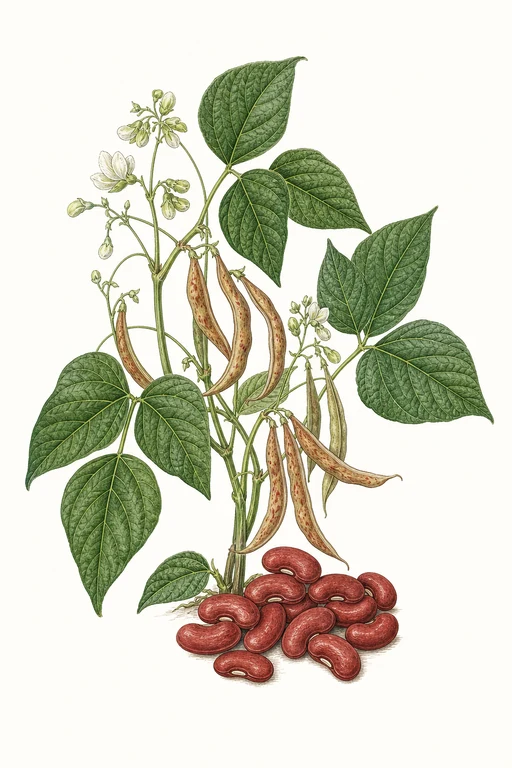
Plump and velvety in the hand, Red Kidney delivers a rich, brick-red seed with a classic kidney silhouette and a smooth, polished sheen.
When simmered into hearty dishes, the beans soften to a tender, creamy texture with a gentle, earthy sweetness that holds its shape beautifully. A warm-season favorite for gardeners who love dependable harvests and pantry-ready dry beans.
Light: Full SunMaturity: 95 DaysHabit: Bush
Planting schedules and alerts are optimized for Columbus (Zone 6b).
Crop Dates
| Milestone | Date |
|---|---|
| Start Indoors | Direct Sow |
| Last Frost | Apr 25th |
| Transplant / Sow Outdoors | Apr 25th |
| Harvest Begins | Jul 29th |
| Harvest Ends | Oct 16th |
Crop Details
| Trait | Value |
|---|---|
| Days to Maturity | 95 |
| Sun Requirements | Full Sun |
| Growth Habit | Bush |
| Support Needed | None |
| Planting Depth | Normal |
| Germination Temp (°F) | 60 |
| Min Soil Temp (°F) | 60 |
| Min Night Temp (°F) | 45 |
| Harden Off (days) | Not Required |
Culinary Notes

Chef's Note
This is the kidney bean for people who want comfort food texture: creamy, but never blow-apart, with a gentle sweetness that soaks up smoke and spice. Give it low, patient heat and it’ll finish silky while still keeping its classic silhouette in the bowl.

Best Uses
- slow-simmered chili where the beans stay intact
- Boston-style baked beans—where they go creamy without turning to mush
- side-pot beans tossed with smoked fat and a splash of vinegar
- bean purée for thick, spoonable spreads or rustic dips

Flavor Profile

Kitchen Pairings
Frequently Asked Questions
What pest or disease commonly affects Phaseolus vulgaris (red kidney beans), and how do I manage it?
How often should I water red kidney beans during the main growing phase (after sprouting until pods fill)?
How do I tell when red kidney beans (Phaseolus vulgaris) are ready to harvest?
Sowing Tips

Transplant Conditions
Wait until soil reaches 60°F and nights stay above 45°F before moving outdoors.
Expert Note

Direct-sow after the soil warms and keep them evenly moist early to establish, then water less once plants are growing steadily.