
Red Kitten
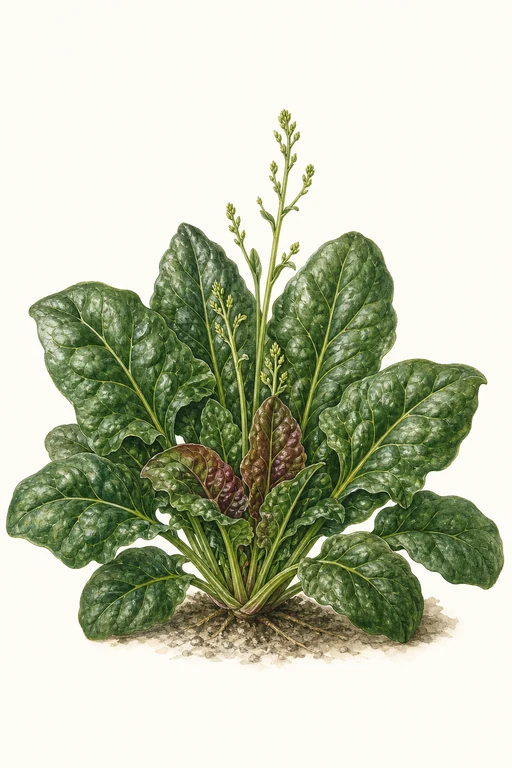
Velvety, tender leaves unfurl with a vivid, playful sheen—deep green that feels almost plush to the eye, with a lively snap when you gather them.
Red Kitten spinach delivers a pleasantly mild, fresh flavor and a delicate texture that shines in quick sautés and silky sauces, and it also holds its own when lightly roasted for caramelized edges. Grow it for dependable, early harvests around 45 days, and enjoy a steady stream of tender leaves from a compact, garden-friendly plant.
Light: Part SunMaturity: 45 DaysHabit: Rosette
Crop Dates : 2a
| Milestone | Date |
|---|---|
| Start Indoors | Apr 27th |
| Last Frost | May 25th |
| Transplant / Sow Outdoors | May 25th |
| Harvest Begins | Jul 9th |
| Harvest Ends | Aug 29th |
Crop Details
| Trait | Value |
|---|---|
| Days to Maturity | 45 |
| Sun Requirements | Part Sun |
| Growth Habit | Rosette |
| Support Needed | None |
| Planting Depth | Normal |
| Germination Temp (°F) | 70 |
| Min Soil Temp (°F) | 40 |
| Min Night Temp (°F) | 28 |
| Harden Off (days) | 6 |
Culinary Notes

Chef's Note
Red Kitten’s tenderness and mild flavor make it a sweetheart for fast heat—use it like you’d use baby spinach that wants to stay silky, not collapse. For caramelized edges, roast just until moisture tightens and the leaves spot brown, then finish with lemon and butter to make the flavor pop.

Best Uses
- hot-quick sauté with butter where the leaves stay plush (not watery)
- silky reduction or purée for pan sauces that coat evenly
- light roast to drive off surface moisture for caramelized, crispy edges
- blanch-and-drain for folding into warm grain bowls with a glossy finish

Flavor Profile

Kitchen Pairings
Frequently Asked Questions
What pest or disease is most likely on Spinacia oleracea (red spinach) and how do I manage it?
How often should I water Spinacia oleracea during the main growing phase, and what soil moisture level do I aim for?
How can I tell when my Spinacia oleracea (red spinach) is ready to harvest?
Sowing Tips

Transplant Conditions
Wait until soil reaches 40°F and nights stay above 28°F before moving outdoors. Harden off for 6 days first.
Expert Note

For best flavor and lower disease pressure, keep spinach cool and avoid letting plants bolt—harvest frequently once leaves are 3–5 in long.