
Red Ripper
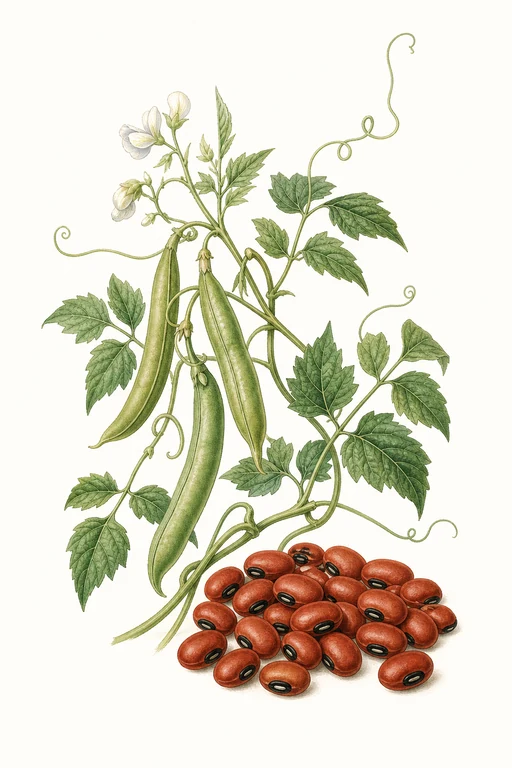
Velvety pods give way to beans with a striking, jet-black eye set in a rich, warm red-brown field—each one glossy and beautifully uniform.
Red Ripper’s tender, creamy interior brings a mellow, earthy sweetness with a satisfying bite, making it a standout for fresh shelling and for hearty pot-style favorites. Grow it for reliable, warm-season performance and a harvest that looks as remarkable as it tastes—boldly patterned beans ready to shine in your favorite preparations.
Light: Full SunMaturity: 65 DaysHabit: Bush
Location not set yet
Location not set yet
Enter your ZIP for local crop dates
Red Ripper Planting Dates by USDA Zone
Estimated US hardiness-zone windows for sow, transplant, and harvest. Enter a US ZIP above for exact local dates, or open a zone below.
| Zone | Start Indoors | Sow / Transplant | Harvest |
|---|---|---|---|
| Zone 1a | Protected Environment Only | ||
| Zone 1b | Protected Environment Only | ||
| Zone 2a | Direct Sow | May 25th | Jul 29th – Aug 29th |
| Zone 2b | Direct Sow | May 15th | Jul 19th – Aug 25th |
| Zone 3a | Direct Sow | May 15th | Jul 19th – Sep 1st |
| Zone 3b | Direct Sow | May 19th | Jul 23rd – Sep 21st |
| Zone 4a | Direct Sow | May 15th | Jul 19th – Sep 24th |
| Zone 4b | Direct Sow | May 13th | Jul 17th – Sep 27th |
| Zone 5a | Direct Sow | May 8th | Jul 12th – Sep 30th |
| Zone 5b | Direct Sow | May 4th | Jul 8th – Oct 5th |
| Zone 6a | Direct Sow | May 1st | Jul 5th – Oct 10th |
| Zone 6b | Direct Sow | Apr 25th | Jun 29th – Oct 16th |
| Zone 7a | Direct Sow | Apr 20th | Jun 24th – Oct 20th |
| Zone 7b | Direct Sow | Apr 10th | Jun 14th – Oct 28th |
| Zone 8a | Direct Sow | Apr 1st | Jun 5th – Nov 5th |
| Zone 8b | Direct Sow | Mar 23rd | May 27th – Nov 12th |
| Zone 9a | Direct Sow | Mar 6th | May 10th – Nov 26th |
| Zone 9b | Direct Sow | Feb 9th | Apr 15th – Dec 9th |
| Zone 10a | Continuous Production | ||
| Zone 10b | Continuous Production | ||
| Zone 11a | Continuous Production | ||
| Zone 11b | Continuous Production | ||
| Zone 12a | Continuous Production | ||
| Zone 12b | Continuous Production | ||
| Zone 13a | Continuous Production | ||
| Zone 13b | Continuous Production | ||
Crop Details
| Trait | Value |
|---|---|
| Days to Maturity | 65 |
| Sun Requirements | Full Sun |
| Growth Habit | Bush |
| Support Needed | None |
| Planting Depth | Normal |
| Germination Temp (°F) | 75 |
| Min Soil Temp (°F) | 70 |
| Min Night Temp (°F) | 60 |
| Harden Off (days) | Not Required |
Culinary Notes

Chef's Note
Red Ripper’s creamy interior and intact bite make it ideal for dishes where you want the beans to feel lush but not blow out—think stews and warm salads that hold their shape. The jet-black eye reads visually next to smoky, tangy partners, so it shows up as both comfort food and presentation.

Best Uses
- fresh-shelling and quick pan-sauté with butter and salt
- pot-style stews where the beans stay intact (smoky, tomato, or ham-adjacent)
- tossing with vinegar-forward dressings while still warm from the boil
- making a thick mash for spreading or spooning over rice and greens

Flavor Profile

Frequently Asked Questions
What’s the most common pest or disease on Vigna unguiculata (black-eyed peas) and how do I stop it?
How often should I water Vigna unguiculata during peak growth and pod fill?
How can I tell when Vigna unguiculata (black-eyed peas) ‘Red Ripper’ is ready to harvest?
Sowing Tips

Transplant Conditions
Wait until soil reaches 70°F and nights stay above 60°F before moving outdoors.
Expert Note

For best yields, sow once soil is reliably warm and keep watering light until seedlings establish—drought tolerance is a strength, but drought stress right after germination can reduce stands.