
Red Russian
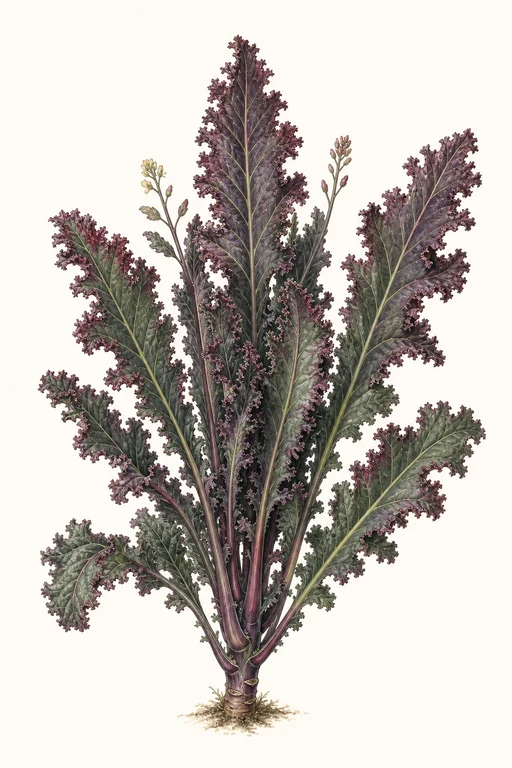
Tender, sweet-leaning leaves unfurl in a cool-season crescendo—deeply ruffled and richly colored in Red Russian’s signature wine-red to purplish-green tones.
The texture is delightfully crisp yet pleasantly tender, with frilly edges that hold their shape for vivid salads and hearty braises. Grow it for bold, flavorful greens that shine fresh and also excel when cooked down into silky sauces and savory spreads.
Light: Full SunMaturity: 55 DaysHabit: Rosette
Planting schedules and alerts are optimized for Columbus (Zone 6b).
Crop Dates
| Milestone | Date |
|---|---|
| Start Indoors | Mar 28th |
| Last Frost | Apr 25th |
| Transplant / Sow Outdoors | Apr 25th |
| Harvest Begins | Jun 19th |
| Harvest Ends | Oct 16th |
Crop Details
| Trait | Value |
|---|---|
| Days to Maturity | 55 |
| Sun Requirements | Full Sun |
| Growth Habit | Rosette |
| Support Needed | None |
| Planting Depth | Normal |
| Germination Temp (°F) | 45 |
| Min Soil Temp (°F) | 40 |
| Min Night Temp (°F) | 30 |
| Harden Off (days) | 6 |
Culinary Notes

Chef's Note
Red Russian’s sweeter lean and crisp-tender bite make it a salad kale that won’t instantly go flabby—its ruffles hold dressing instead of weeping. Cook it down with bright acid and olive oil and it turns glossy and spoonable, with the brassica character staying pleasant rather than harsh.

Best Uses
- shredded raw salads where the ruffles catch vinaigrette without turning mushy
- quick sauté with a splash of acid for clean, sweet-green flavor
- massaged kale base for pesto-style purées and creamy spreads
- braises that turn silky at the edges while keeping the center pleasantly toothy

Flavor Profile

Kitchen Pairings
Frequently Asked Questions
What pest or disease is most likely on Brassica napus (Red Russian) and how can I control it at home?
How often should I water Red Russian turnip/greens (Brassica napus) during the main growing phase?
How do I know when Red Russian (Brassica napus) is ready to harvest?
Sowing Tips

Transplant Conditions
Wait until soil reaches 40°F and nights stay above 30°F before moving outdoors. Harden off for 6 days first.
Expert Note

Start indoors for earlier harvest, but keep seedlings cool and harden off well so they don’t bolt when planted out.