
Red Toch
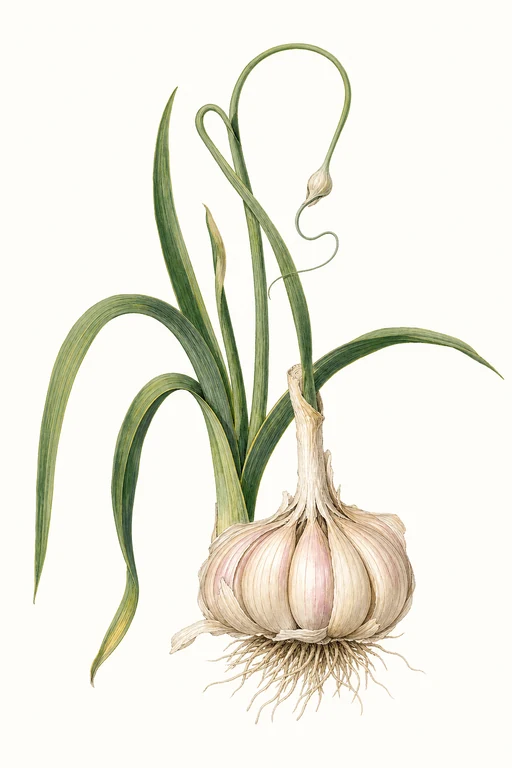
Aromas of warm, sweet garlic rise from Red Toch bulbs as soon as they’re lifted—bold yet mellow, with a rich, lingering depth that turns savory dishes into something truly fragrant.
Expect softneck performance with dependable, easy-braiding bulbs and a smooth, papery skin that peels back to reveal creamy cloves with a gentle bite. Grow Red Toch for long-season satisfaction and a pantry-ready harvest that shines in roasted applications and robust sauces, as well as for pickling when you want bright, tangy flavor.
Light: Full SunMaturity: 150 DaysHabit: Bulbing
Location not set yet
Location not set yet
Enter your ZIP for local crop dates
Red Toch Planting Dates by USDA Zone
Estimated US hardiness-zone windows for sow, transplant, and harvest. Enter a US ZIP above for exact local dates, or open a zone below.
| Zone | Start Indoors | Sow / Transplant | Harvest |
|---|---|---|---|
| Zone 1a | Protected Environment Only | ||
| Zone 1b | Protected Environment Only | ||
| Zone 2a | Protected Environment Only | ||
| Zone 2b | Protected Environment Only | ||
| Zone 3a | Protected Environment Only | ||
| Zone 3b | Protected Environment Only | ||
| Zone 4a | Protected Environment Only | ||
| Zone 4b | Protected Environment Only | ||
| Zone 5a | Protected Environment Only | ||
| Zone 5b | Direct Sow | May 4th | Oct 1st – Oct 5th |
| Zone 6a | Direct Sow | May 1st | Sep 28th – Oct 10th |
| Zone 6b | Direct Sow | Apr 25th | Sep 22nd – Oct 16th |
| Zone 7a | Direct Sow | Apr 20th | Sep 17th – Oct 20th |
| Zone 7b | Direct Sow | Apr 10th | Sep 7th – Oct 28th |
| Zone 8a | Direct Sow | Apr 1st | Aug 29th – Nov 5th |
| Zone 8b | Direct Sow | Mar 23rd | Aug 20th – Nov 12th |
| Zone 9a | Direct Sow | Mar 6th | Aug 3rd – Nov 26th |
| Zone 9b | Direct Sow | Feb 9th | Jul 9th – Dec 9th |
| Zone 10a | — | Oct 1st | Feb 28th – Feb 28th |
| Zone 10b | — | Oct 1st | Feb 28th – Feb 28th |
| Zone 11a | — | Oct 1st | Feb 28th – Feb 28th |
| Zone 11b | — | Oct 1st | Feb 28th – Feb 28th |
| Zone 12a | — | Oct 1st | Feb 28th – Feb 28th |
| Zone 12b | — | Oct 1st | Feb 28th – Feb 28th |
| Zone 13a | — | Oct 1st | Feb 28th – Feb 28th |
| Zone 13b | — | Oct 1st | Feb 28th – Feb 28th |
Crop Details
| Trait | Value |
|---|---|
| Days to Maturity | 150 |
| Sun Requirements | Full Sun |
| Growth Habit | Bulbing |
| Support Needed | None |
| Planting Depth | Normal |
| Germination Temp (°F) | 50 |
| Min Soil Temp (°F) | 40 |
| Min Night Temp (°F) | 28 |
| Harden Off (days) | Not Required |
Culinary Notes

Chef's Note
Red Toch’s softneck cloves lean mellow and creamy, so they give you that warm, sweet garlic perfume without the harsh bite you sometimes get from hotter lots. Use it roasted or in long reductions where it turns silky and fragrant—your pan sauce will smell like the good part of the roast long before the first spoon hits.

Best Uses
- roasting whole bulbs until the cloves collapse into a spreadable paste
- slow-simmered sauces and gravies where it mellows and rounds out
- rapid sautéing in oil for fragrant base-building without going sharp
- quick pickling for bright, tangy, snappy clove bites

Flavor Profile

Kitchen Pairings
Frequently Asked Questions
What’s a common garlic (Allium sativum) problem from pests or disease, and how do I fix it?
How often should I water garlic during its main growing phase?
How can I tell when garlic (Allium sativum) is ready to harvest?
Sowing Tips

Transplant Conditions
Wait until soil reaches 40°F and nights stay above 28°F before moving outdoors.
Expert Note

Plant garlic cloves in fall (about 4–6 weeks before the ground freezes) so they vernalize over winter; mulch heavily in cold zones.