
Red Venture
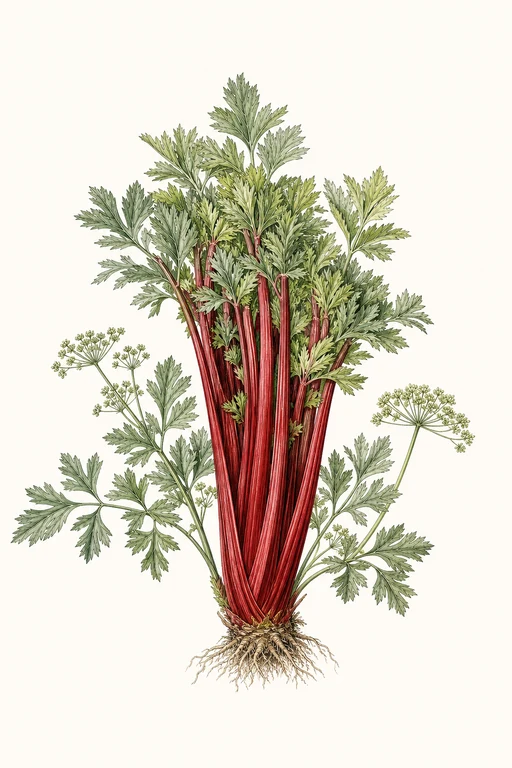
Crisp as a cool morning breeze, Red Venture celery brings a striking blush of ruby-red to its tender ribs, with a clean, bright celery flavor that stays pleasantly sweet.
Expect a tight, upright habit and succulent, leaf-forward stalks with a fine, snappy texture—ideal for fresh bunches and bold, aromatic flavor in any garden harvest. Grow it for its showy color and dependable 85-day timing, then enjoy the vibrant crunch it lends to salads and flavorful blends.
Light: Part SunMaturity: 85 DaysHabit: Upright
Location not set yet
Location not set yet
Enter your ZIP for local crop dates
Red Venture Planting Dates by USDA Zone
Estimated US hardiness-zone windows for sow, transplant, and harvest. Enter a US ZIP above for exact local dates, or open a zone below.
| Zone | Start Indoors | Sow / Transplant | Harvest |
|---|---|---|---|
| Zone 1a | Protected Environment Only | ||
| Zone 1b | Protected Environment Only | ||
| Zone 2a | Mar 16th | May 25th | Aug 18th – Aug 29th |
| Zone 2b | Mar 6th | May 15th | Aug 8th – Aug 25th |
| Zone 3a | Mar 6th | May 15th | Aug 8th – Sep 1st |
| Zone 3b | Mar 10th | May 19th | Aug 12th – Sep 21st |
| Zone 4a | Mar 6th | May 15th | Aug 8th – Sep 24th |
| Zone 4b | Mar 4th | May 13th | Aug 6th – Sep 27th |
| Zone 5a | Feb 27th | May 8th | Aug 1st – Sep 30th |
| Zone 5b | Feb 23rd | May 4th | Jul 28th – Oct 5th |
| Zone 6a | Feb 20th | May 1st | Jul 25th – Oct 10th |
| Zone 6b | Feb 14th | Apr 25th | Jul 19th – Oct 16th |
| Zone 7a | Feb 9th | Apr 20th | Jul 14th – Oct 20th |
| Zone 7b | Jan 30th | Apr 10th | Jul 4th – Oct 28th |
| Zone 8a | Jan 21st | Apr 1st | Jun 25th – Nov 5th |
| Zone 8b | Jan 12th | Mar 23rd | Jun 16th – Nov 12th |
| Zone 9a | Dec 26th | Mar 6th | May 30th – Nov 26th |
| Zone 9b | Dec 1st | Feb 9th | May 5th – Dec 9th |
| Zone 10a | — | Oct 1st | Dec 25th – Feb 28th |
| Zone 10b | — | Oct 1st | Dec 25th – Feb 28th |
| Zone 11a | — | Oct 1st | Dec 25th – Feb 28th |
| Zone 11b | — | Oct 1st | Dec 25th – Feb 28th |
| Zone 12a | — | Oct 1st | Dec 25th – Feb 28th |
| Zone 12b | — | Oct 1st | Dec 25th – Feb 28th |
| Zone 13a | — | Oct 1st | Dec 25th – Feb 28th |
| Zone 13b | — | Oct 1st | Dec 25th – Feb 28th |
Crop Details
| Trait | Value |
|---|---|
| Days to Maturity | 85 |
| Sun Requirements | Part Sun |
| Growth Habit | Upright |
| Support Needed | None |
| Planting Depth | Normal |
| Germination Temp (°F) | 65 |
| Min Soil Temp (°F) | 45 |
| Min Night Temp (°F) | 35 |
| Harden Off (days) | 6 |
Culinary Notes

Chef's Note
Red Venture celery gives you that pure, upright celery flavor with a tender, ruby-rib crunch that stays lively rather than going stringy. Slice it thin or pickle it fast—its sweetness and bright herbal aroma make it punch through creamy dressings and salty cheeses without tasting cooked-out.

Best Uses
- raw crudités and shaved ribbons for high-crunch salads
- bracing green base for stock and broth (stalk + leaves)
- quick-pickling or vinegar-marinated ribs to keep them snappy
- chopped aromatic component for tuna/chicken/salad dressings

Flavor Profile

Kitchen Pairings
Frequently Asked Questions
What pest or disease commonly affects sweet celery (Apium graveolens var. dulce), and what should I do if I see it?
How often should I water sweet celery during the main growing phase?
How can I tell when sweet celery is ready to harvest at about 85 days?
Sowing Tips

Transplant Conditions
Wait until soil reaches 45°F and nights stay above 35°F before moving outdoors. Harden off for 6 days first.
Expert Note

Start indoors early enough for sturdy seedlings, then transplant into cool, moist soil before major warm-up so the stalks develop crisp, deep color.