
Redbor
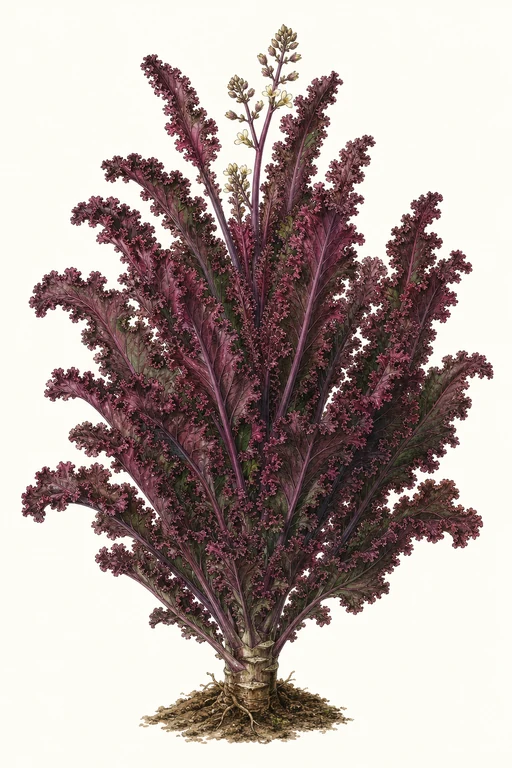
Velvety, frilled leaves unfurl in a rich, wine-red to deep purple cascade—so vivid they look lacquered against the garden’s green.
Redbor’s tender-yet-substantial texture holds its shape beautifully, with a pleasantly sweet, mildly peppery flavor that shines in cool weather. Grow it for bold, colorful salads and for vibrant sautéing, soups, and hearty braises—its color stays striking from first harvest through late-season picking.
Light: Full SunMaturity: 55 DaysHabit: Rosette
Planting schedules and alerts are optimized for Columbus (Zone 6b).
Crop Dates
| Milestone | Date |
|---|---|
| Start Indoors | Mar 28th |
| Last Frost | Apr 25th |
| Transplant / Sow Outdoors | Apr 18th |
| Harvest Begins | Jun 12th |
| Harvest Ends | Oct 16th |
Crop Details
| Trait | Value |
|---|---|
| Days to Maturity | 55 |
| Sun Requirements | Full Sun |
| Growth Habit | Rosette |
| Support Needed | None |
| Planting Depth | Normal |
| Germination Temp (°F) | 45 |
| Min Soil Temp (°F) | 40 |
| Min Night Temp (°F) | 30 |
| Harden Off (days) | 6 |
Culinary Notes

Chef's Note
Redbor’s frill and thickness are the point: it wilts without turning to stringy sludge, so it stays chewable in salads and clean-looking in hot pots. The mild pepper + sweet edge makes it friendly to tangy citrus and salty cured pork without needing heavy garlic.

Best Uses
- massaged salad ribbons that won’t collapse under dressing
- sautéed greens where the color stays loud through the wilt
- brothy soups and dump-in stews (adds body, not just greens)
- braises where it turns silky but still holds separate leaf edges

Flavor Profile

Kitchen Pairings
Frequently Asked Questions
What’s a common pest or disease for Redbor (Brassica oleracea), and how do I control it?
How often should I water Redbor during the main growing phase?
When is Redbor ready to harvest?
Sowing Tips

Transplant Conditions
Wait until soil reaches 40°F and nights stay above 30°F before moving outdoors. Harden off for 6 days first.
Expert Note

For best flavor and color, grow kale cool—transplant into temperatures near the cool end of spring and harvest after a light frost if possible.