
Reina Mora
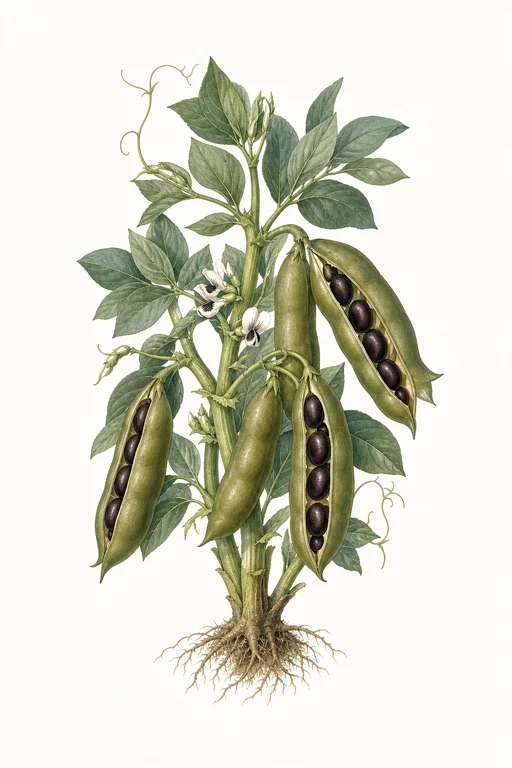
Velvety pods unfurl to reveal Reina Mora’s distinctive, richly colored beans—deep, inky purple-marrowed tones that feel almost satin under the thumb.
The flavor is sweet and full-bodied with a tender, creamy bite, making these favas a standout for fresh enjoyment and for turning into luscious spreads and hearty purées. Grow Reina Mora for a garden-to-plate experience that’s as elegant as it is rewarding, with pods that mature reliably in about 80 days.
Light: Full SunMaturity: 80 DaysHabit: Upright
Planting schedules and alerts are optimized for Columbus (Zone 6b).
Crop Dates
| Milestone | Date |
|---|---|
| Start Indoors | Direct Sow |
| Last Frost | Apr 25th |
| Transplant / Sow Outdoors | Apr 25th |
| Harvest Begins | Jul 14th |
| Harvest Ends | Oct 16th |
Crop Details
| Trait | Value |
|---|---|
| Days to Maturity | 80 |
| Sun Requirements | Full Sun |
| Growth Habit | Upright |
| Support Needed | None |
| Planting Depth | Normal |
| Germination Temp (°F) | 55 |
| Min Soil Temp (°F) | 40 |
| Min Night Temp (°F) | 28 |
| Harden Off (days) | Not Required |
Culinary Notes

Chef's Note
Reina Mora leans sweet and creamy, and once the beans are blanched and slipped, they go luxuriously smooth without turning chalky. It’s the kind of fava that deserves buttered simplicity—then the lemon and pecorino pull the whole thing into focus.

Best Uses
- pan-slicked fresh fava beans with butter and flaky salt
- quick blanch–peel for silky spreads and purées
- folding into warm grain bowls with a spoonable, creamy texture
- stewing just until tender so they keep their plush bite

Flavor Profile

Kitchen Pairings
Frequently Asked Questions
What pest or disease most often affects Vicia faba (fava beans), and what should I do first?
How often should I water Vicia faba during the main growing phase (about weeks 4–10)?
How can I tell when Vicia faba (Reina Mora/fava beans) is ready to harvest?
Sowing Tips

Transplant Conditions
Wait until soil reaches 40°F and nights stay above 28°F before moving outdoors.
Expert Note

Direct-sow fava beans in cool weather (they actually prefer it) and keep the soil evenly moist while they establish nodules.