
Rendidora
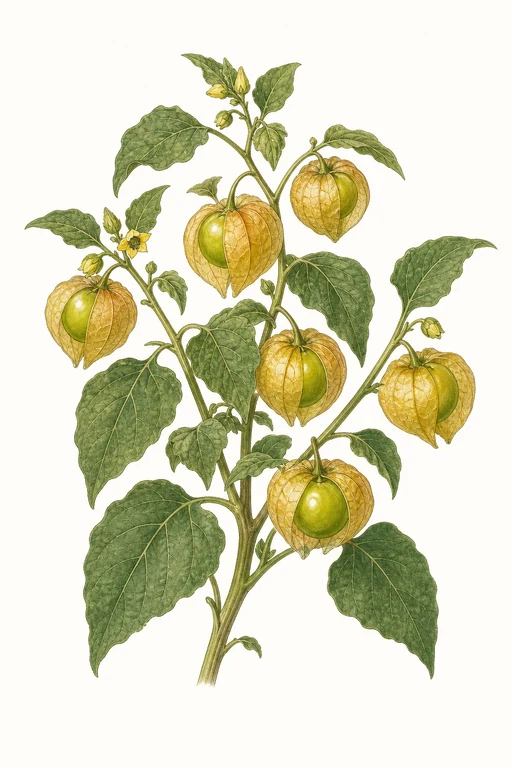
Sunlit, papery husks glow like small lanterns, cradling Rendidora’s fruit with a bright, tangy snap and a clean, green-fresh flavor that lingers.
The berries are firm and juicy, with a smooth, lightly seedy interior that shines in bold salsas and lively sauces, and also makes a standout for roasting or quick pickling. Grow Rendidora for a dependable 65-day harvest rhythm—each husk tightening to reveal color and character as the plant matures.
Light: Full SunMaturity: 65 DaysHabit: Determinate
Planting schedules and alerts are optimized for Columbus (Zone 6b).
Crop Dates
| Milestone | Date |
|---|---|
| Start Indoors | Mar 14th |
| Last Frost | Apr 25th |
| Transplant / Sow Outdoors | Jun 20th |
| Harvest Begins | Aug 24th |
| Harvest Ends | Oct 16th |
Crop Details
| Trait | Value |
|---|---|
| Days to Maturity | 65 |
| Sun Requirements | Full Sun |
| Growth Habit | Determinate |
| Support Needed | Stake |
| Planting Depth | Normal |
| Germination Temp (°F) | 70 |
| Min Soil Temp (°F) | 60 |
| Min Night Temp (°F) | 50 |
| Harden Off (days) | 7 |
Culinary Notes

Chef's Note
Rendidora tomatillo brings a crisp, green-tart snap and a firm, lightly seedy interior that doesn’t go watery when blended, so your salsa keeps a lively texture. Roast or pickle it and the acidity stays sharp and clean—ideal for cutting through rich meats and creamy avocado.

Best Uses
- bold salsa verde where the fruit stays pleasantly snappy (blend with some texture)
- quick pickling for crunchy, bracing bite on tacos and bowls
- roasting to deepen the tang—charred edges, jammy body, and steady acidity
- sauces/chilis where it thickens slightly and keeps a clean finish

Flavor Profile

Frequently Asked Questions
What pests or diseases commonly attack Physalis philadelphica (rendidora/groundcherry) and what can I do about them?
How often should I water Physalis philadelphica during its main growing phase?
How can I tell when Physalis philadelphica rendidora is ready to harvest?
Sowing Tips

Transplant Conditions
Wait until soil reaches 60°F and nights stay above 50°F before moving outdoors. Harden off for 7 days first.
Expert Note

Start tomatillo seeds indoors early, keep them warm, and transplant only when nights are consistently mild (cool snaps slow husk formation).