
Resina
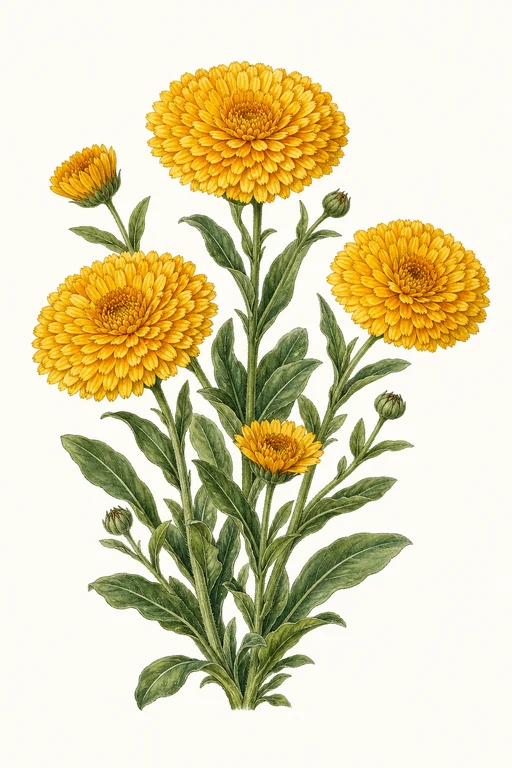
Sun-warmed petals unfurl in a glowing spectrum of honey-gold to deeper amber, with a resinous, aromatic perfume that lingers in the garden air.
Resina’s leaves are tender and pleasantly green, offering a fresh, leafy bite and a silky texture that shines in salads and as a vibrant garnish—especially when you want color that holds its own. Grow Resina for a cool-season harvest at about 50 days, and let its cheerful blooms become a living centerpiece as you gather both foliage and flower heads for bright, golden-toned uses.
Light: Full SunMaturity: 50 DaysHabit: Upright
Planting schedules and alerts are optimized for Columbus (Zone 6b).
Crop Dates
| Milestone | Date |
|---|---|
| Start Indoors | Direct Sow |
| Last Frost | Apr 25th |
| Transplant / Sow Outdoors | Apr 25th |
| Harvest Begins | Jun 14th |
| Harvest Ends | Oct 16th |
Crop Details
| Trait | Value |
|---|---|
| Days to Maturity | 50 |
| Sun Requirements | Full Sun |
| Growth Habit | Upright |
| Support Needed | None |
| Planting Depth | Normal |
| Germination Temp (°F) | 70 |
| Min Soil Temp (°F) | 60 |
| Min Night Temp (°F) | 50 |
| Harden Off (days) | Not Required |
Culinary Notes

Chef's Note
Resina’s petals lean resin-herbal and amber-sweet, so use them like a finishing spice—bright, fragrant, and visually loud. The leaves are tender and silky, which means they won’t chew up your salad; they hold vinaigrette instead of collapsing.

Best Uses
- petals as a vivid garnish on citrusy salads and crudo
- leaf-and-petal mixed salads where the greens stay silky under vinaigrette
- infused oil or honey with a warm amber perfume (strain well)
- quick wilted sautéing of tender leaves for a glossy, green side

Flavor Profile

Kitchen Pairings
Frequently Asked Questions
What pest or disease commonly affects Calendula officinalis (marigold pot) and what should I do?
How often should I water Calendula officinalis during its main growing phase?
How can I tell when Calendula officinalis is ready to harvest?
Sowing Tips

Transplant Conditions
Wait until soil reaches 60°F and nights stay above 50°F before moving outdoors.
Expert Note

For best resin-rich growth, grow in full sun and avoid overly rich nitrogen—keep soil moderately fertile and well-drained.