
Rhodos Endive
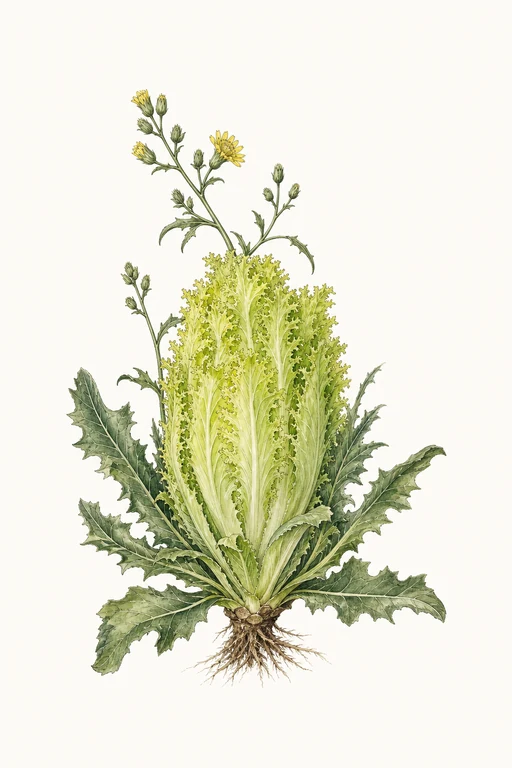
Crisp and luminous, Rhodos Endive forms tight, upright heads that feel cool and snappy at first touch, with a gentle bitterness that turns mellow and sweet as the weather cools.
The leaves are beautifully ruffled and densely layered, creating a refined texture—crunchy from core to edge. Grow Rhodos Endive for elegant fresh salads, bright garnishes, and silky braises that showcase its distinctive, endive-like character.
Light: Part SunMaturity: 50 DaysHabit: Rosette
Planting schedules and alerts are optimized for Columbus (Zone 6b).
Crop Dates
| Milestone | Date |
|---|---|
| Start Indoors | Direct Sow |
| Last Frost | Apr 25th |
| Transplant / Sow Outdoors | Apr 18th |
| Harvest Begins | Jun 7th |
| Harvest Ends | Oct 16th |
Crop Details
| Trait | Value |
|---|---|
| Days to Maturity | 50 |
| Sun Requirements | Part Sun |
| Growth Habit | Rosette |
| Support Needed | None |
| Planting Depth | Normal |
| Germination Temp (°F) | 65 |
| Min Soil Temp (°F) | 40 |
| Min Night Temp (°F) | 30 |
| Harden Off (days) | 6 |
Culinary Notes

Chef's Note
Rhodos Endive is built for contrast: that tight, all-the-way-crunch keeps its structure in winter salads, while the bitterness relaxes into a sweet, almost honeyed edge as it cools. Treat it like a crisp base—dress lightly or braise briefly so the leaves tenderize without losing their luminous snap.

Best Uses
- raw leaves in a cold-weather salad where the crunch stays intact
- grilling or quick sauté to soften bitterness without turning watery
- shallow-braised or roasted endive halves until edges caramelize and the core turns tender
- layered garnish for seafood or creamy sauces to cut richness with clean crunch

Flavor Profile

Kitchen Pairings
Frequently Asked Questions
What pest or disease commonly affects Cichorium endivia (Rhodos endive), and how can I control it?
How often should I water Rhodos endive during the main growing period?
How do I know when Rhodos endive is ready to harvest?
Sowing Tips

Transplant Conditions
Wait until soil reaches 40°F and nights stay above 30°F before moving outdoors. Harden off for 6 days first.
Expert Note

For best crunchy, mildly bitter frisée texture, keep plants evenly moist and grow in cooler weather; a light frost often improves flavor.