
Rio Grande Verde
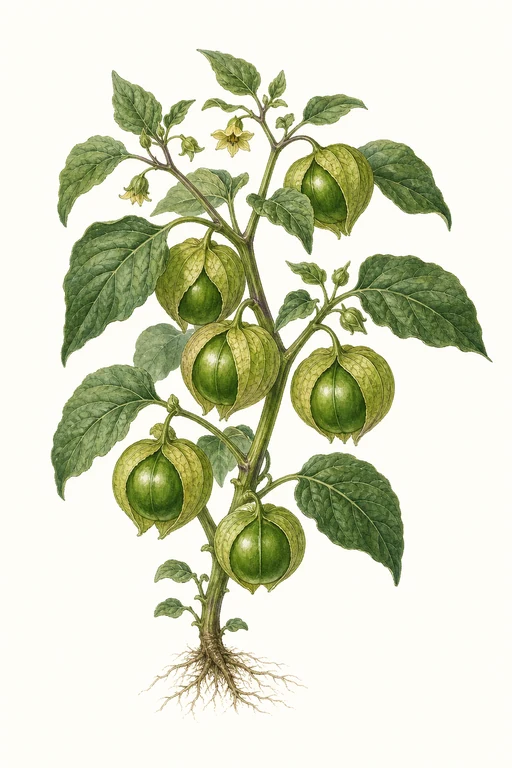
Aromatic and vividly tangy, Rio Grande Verde tomatillos ripen into jewel-toned fruit cradled in papery husks—green as freshly cut limes, with a bright, lively flavor that sings at first bite.
The flesh is firm yet juicy, offering a clean, slightly herbal snap that holds its character beautifully for bold salsas and quick pickling, as well as fresh relish-style spooning straight from the garden. Grow this 75-day standout for a steady harvest of crisp, green gems that look as striking as they taste.
Light: Full SunMaturity: 75 DaysHabit: Upright
Planting schedules and alerts are optimized for Columbus (Zone 6b).
Crop Dates
| Milestone | Date |
|---|---|
| Start Indoors | Mar 14th |
| Last Frost | Apr 25th |
| Transplant / Sow Outdoors | Jun 20th |
| Harvest Begins | Sep 3rd |
| Harvest Ends | Oct 16th |
Crop Details
| Trait | Value |
|---|---|
| Days to Maturity | 75 |
| Sun Requirements | Full Sun |
| Growth Habit | Upright |
| Support Needed | Stake |
| Planting Depth | Normal |
| Germination Temp (°F) | 70 |
| Min Soil Temp (°F) | 60 |
| Min Night Temp (°F) | 50 |
| Harden Off (days) | 7 |
Culinary Notes

Chef's Note
Rio Grande Verde’s firm, juicy flesh gives you a salsa verde that grips chips and spoons—crisp and lively instead of cooked-tangy. Its herbal snap loves heat and acid, so it stands up to cilantro and jalapeño without getting grassy.

Best Uses
- blistered-and-chopped salsa verde that stays bright (not muddy)
- quick pickling for crunchy, limey pops
- fresh relish or spoon-salad style topping straight from the husk
- thickening a green sauce after a brief simmer so it clings

Flavor Profile

Frequently Asked Questions
What pest or disease most commonly affects Physalis philadelphica (Rio Grande Verde), and how can I manage it at home?
How often should I water Rio Grande Verde during the main growing phase to keep Physalis philadelphica productive?
How do I know when Rio Grande Verde is ready to harvest?
Sowing Tips

Transplant Conditions
Wait until soil reaches 60°F and nights stay above 50°F before moving outdoors. Harden off for 7 days first.
Expert Note

Start seeds indoors for stronger early growth, then transplant only after night temps are consistently warm and soil is at least 60°F to avoid stunting.