
Ripbor
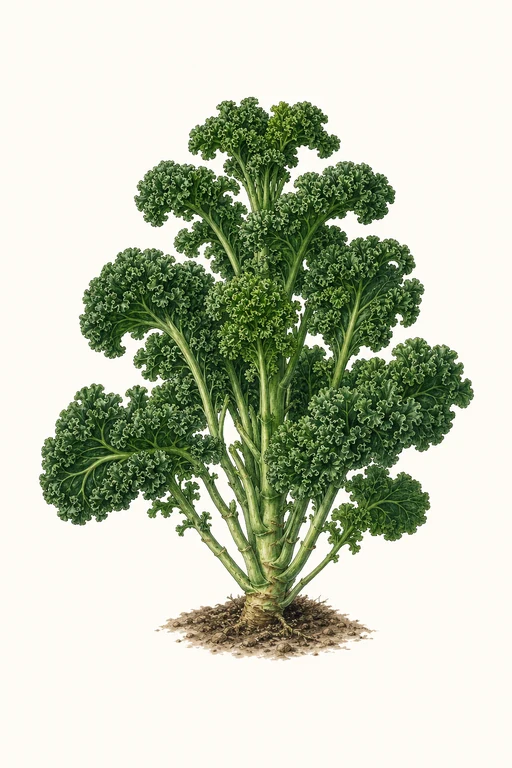
Lush, tightly curled fronds unfurl in Ripbor with a vivid, cool-toned green that feels almost velvety to the eye—dense texture, crisp bite, and a pleasantly sweet edge.
Leaves hold their shape beautifully through the season, offering an elegant, ruffled silhouette that’s as satisfying in the bowl as it is in the garden. Grow Ripbor for standout leafy greens that shine in roasted dishes, fresh salads, and hearty sautés, with extra depth when folded into sauces and braises.
Light: Full SunMaturity: 55 DaysHabit: Rosette
Planting schedules and alerts are optimized for Columbus (Zone 6b).
Crop Dates
| Milestone | Date |
|---|---|
| Start Indoors | Mar 28th |
| Last Frost | Apr 25th |
| Transplant / Sow Outdoors | Apr 18th |
| Harvest Begins | Jun 12th |
| Harvest Ends | Oct 16th |
Crop Details
| Trait | Value |
|---|---|
| Days to Maturity | 55 |
| Sun Requirements | Full Sun |
| Growth Habit | Rosette |
| Support Needed | None |
| Planting Depth | Normal |
| Germination Temp (°F) | 45 |
| Min Soil Temp (°F) | 40 |
| Min Night Temp (°F) | 30 |
| Harden Off (days) | 6 |
Culinary Notes

Chef's Note
Ripbor’s tight curls and dense leaf structure give you a crisp, ruffled bite that stands up to heat without turning to sludge. Use it where you want green snap—roast hard for blistered edges or stir into reductions so it turns silky at the edges while staying pleasantly chew-forward.

Best Uses
- hot, massaged salad—dress lightly and eat immediately for maximum crunch
- sheet-pan roasting until the edges blister and go pleasantly chewy
- garlicky-free braises and sautés for sturdy greens that don’t collapse into mush
- folded into creamy pasta or reduced pan sauces for grip and body

Flavor Profile

Kitchen Pairings
Frequently Asked Questions
How do I manage clubroot and cabbage aphids on Brassica oleracea var. viridis (Winterbor-type greens)?
How often should I water Winterbor greens during their main growth (about weeks 3–8) to prevent bitter leaves?
When are Winterbor-type greens (Brassica oleracea var. viridis) ready to harvest, and how should I pick them?
Sowing Tips

Transplant Conditions
Wait until soil reaches 40°F and nights stay above 30°F before moving outdoors. Harden off for 6 days first.
Expert Note

For the most uniform, sweet curls, keep seedlings cool and avoid heat spikes—kale quality drops as days warm up.