
Rocambole
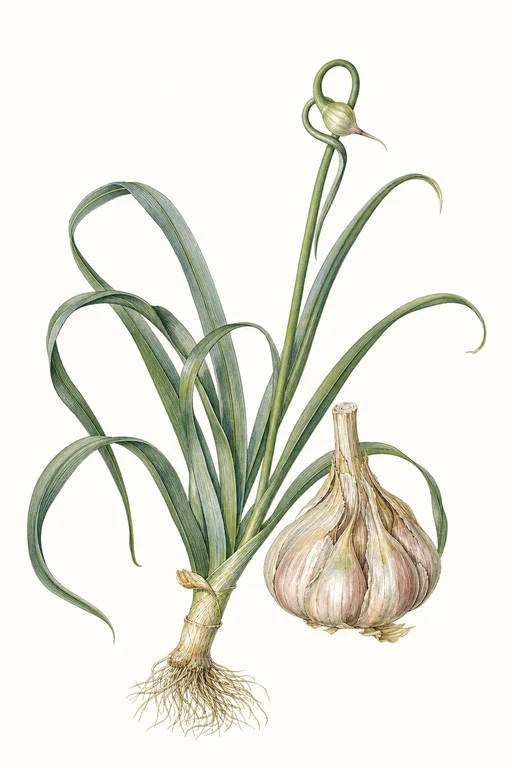
Rocambole garlic unfurls with a bold, lingering aroma and a richly complex flavor—deeply savory with a gentle sweetness that blooms as it roasts.
Expect large, easy-to-peel cloves wrapped in a satiny skin, offering a tender, creamy texture when cooked and a crisp, pungent bite when used fresh. A hardneck standout for gardeners who love strong allium character and want dependable bulbs for standout sauces, roasting, and pickling.
Light: Full SunMaturity: 240 DaysHabit: Bulbing
Location not set yet
Location not set yet
Enter your ZIP for local crop dates
Rocambole Planting Dates by USDA Zone
Estimated US hardiness-zone windows for sow, transplant, and harvest. Enter a US ZIP above for exact local dates, or open a zone below.
| Zone | Start Indoors | Sow / Transplant | Harvest |
|---|---|---|---|
| Zone 1a | Direct Sow | Jun 15th | Feb 10th – Jul 15th |
| Zone 1b | Direct Sow | Jun 1st | Jan 27th – Aug 1st |
| Zone 2a | Direct Sow | May 25th | Jan 20th – Aug 29th |
| Zone 2b | Direct Sow | May 15th | Jan 10th – Aug 25th |
| Zone 3a | Direct Sow | May 15th | Jan 10th – Sep 1st |
| Zone 3b | Direct Sow | May 19th | Jan 14th – Sep 21st |
| Zone 4a | Direct Sow | May 15th | Jan 10th – Sep 24th |
| Zone 4b | Direct Sow | May 13th | Jan 8th – Sep 27th |
| Zone 5a | Direct Sow | May 8th | Jan 3rd – Sep 30th |
| Zone 5b | Direct Sow | May 4th | Dec 30th – Oct 5th |
| Zone 6a | Direct Sow | May 1st | Dec 27th – Oct 10th |
| Zone 6b | Direct Sow | Apr 25th | Dec 21st – Oct 16th |
| Zone 7a | Direct Sow | Apr 20th | Dec 16th – Oct 20th |
| Zone 7b | Direct Sow | Apr 10th | Dec 6th – Oct 28th |
| Zone 8a | Direct Sow | Apr 1st | Nov 27th – Nov 5th |
| Zone 8b | Direct Sow | Mar 23rd | Nov 18th – Nov 12th |
| Zone 9a | Direct Sow | Mar 6th | Nov 1st – Nov 26th |
| Zone 9b | Direct Sow | Feb 9th | Oct 7th – Dec 9th |
| Zone 10a | — | Oct 1st | Feb 28th – Feb 28th |
| Zone 10b | — | Oct 1st | Feb 28th – Feb 28th |
| Zone 11a | — | Oct 1st | Feb 28th – Feb 28th |
| Zone 11b | — | Oct 1st | Feb 28th – Feb 28th |
| Zone 12a | — | Oct 1st | Feb 28th – Feb 28th |
| Zone 12b | — | Oct 1st | Feb 28th – Feb 28th |
| Zone 13a | — | Oct 1st | Feb 28th – Feb 28th |
| Zone 13b | — | Oct 1st | Feb 28th – Feb 28th |
Crop Details
| Trait | Value |
|---|---|
| Days to Maturity | 240 |
| Sun Requirements | Full Sun |
| Growth Habit | Bulbing |
| Support Needed | None |
| Planting Depth | Normal |
| Germination Temp (°F) | 50 |
| Min Soil Temp (°F) | 45 |
| Min Night Temp (°F) | 28 |
| Harden Off (days) | Not Required |
Culinary Notes

Chef's Note
Rocambole hardneck brings that telltale, fearless garlic presence—savory and sweet, but with enough bite to stand up to high heat. Roast it and it turns creamy without going bland; mince or slice it fresh and you get a crisp, sharp hit that wakes up fats and broths.

Best Uses
- slow-roasted cloves for a silky, spreadable purée
- blitzed into brothy sauces and pan drippings where it fully melts
- quick-pickled cloves for sharp, clean acidity and snap
- thin-sliced raw for punchy finishing heat

Flavor Profile

Kitchen Pairings
Frequently Asked Questions
Why are my rocambole garlic plants developing yellow leaves and stunted growth, and what can I do about it?
How often should I water rocambole garlic during the main growing phase?
How do I know when rocambole (Allium sativum) is ready to harvest?
Sowing Tips

Transplant Conditions
Wait until soil reaches 45°F and nights stay above 28°F before moving outdoors.
Expert Note

Plant garlic cloves in fall so they can vernalize through winter; mulch heavily for even soil moisture and winter protection.