
Rosita
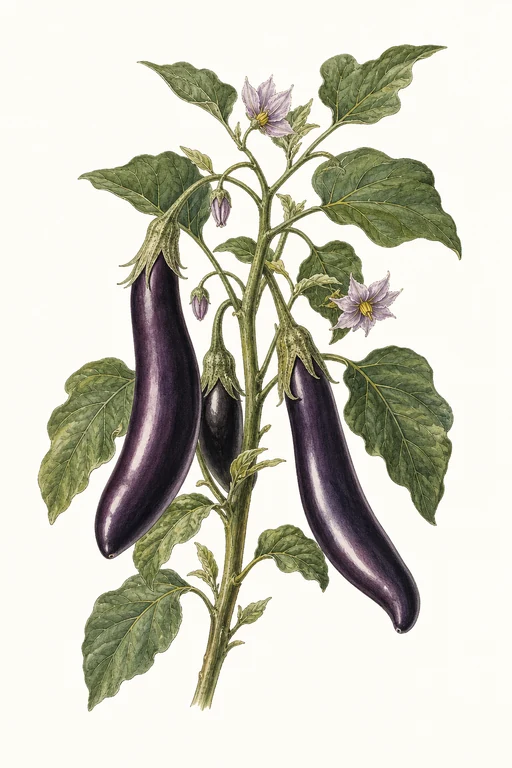
Rosita brings a lush, glossy harvest with fruit that feel like polished porcelain in the garden—deep violet skins with a refined, elongated silhouette and a tender, creamy interior.
The flesh is pleasantly mild and silky, ideal for roasting until meltingly soft, and equally suited to hearty sauces where its flavor turns velvety and rich. Grow Rosita for a steady, Italian-style supply of elegant eggplants that look as good as they taste.
Light: Full SunMaturity: 80 DaysHabit: Upright
Planting schedules and alerts are optimized for Columbus (Zone 6b).
Crop Dates
| Milestone | Date |
|---|---|
| Start Indoors | Feb 28th |
| Last Frost | Apr 25th |
| Transplant / Sow Outdoors | Jun 20th |
| Harvest Begins | Sep 8th |
| Harvest Ends | Oct 16th |
Crop Details
| Trait | Value |
|---|---|
| Days to Maturity | 80 |
| Sun Requirements | Full Sun |
| Growth Habit | Upright |
| Support Needed | None |
| Planting Depth | Normal |
| Germination Temp (°F) | 85 |
| Min Soil Temp (°F) | 60 |
| Min Night Temp (°F) | 50 |
| Harden Off (days) | 10 |
Culinary Notes

Chef's Note
Rosita’s creamy interior takes on heat like butter—roast it and it practically turns into a spoonable pulp, while the glossy skin keeps a gentle chew. When simmered with tomatoes and olive oil, it becomes velvety rather than watery, so you get silk, not mush.

Best Uses
- high-heat roasting until the flesh collapses and turns custardy
- Italian-style braised/slow-simmered ragù or tomato sauces where it melts into silk
- breaded and fried slices for crisp exterior with a soft, almost custard core
- grilled or pan-seared rounds to get jammy edges without drying out

Flavor Profile

Kitchen Pairings
Frequently Asked Questions
What pest or disease commonly affects Solanum melongena (eggplant), and how do I manage it at home?
How often should I water Solanum melongena during the main growing phase?
How can I tell when Solanum melongena is ready to harvest?
Sowing Tips

Transplant Conditions
Wait until soil reaches 60°F and nights stay above 50°F before moving outdoors. Harden off for 10 days first.
Expert Note

Harden off well and transplant only when night temperatures stay warm and soil is at least 60°F to avoid cold-stress and set-back flowering.