
Russian Tarragon
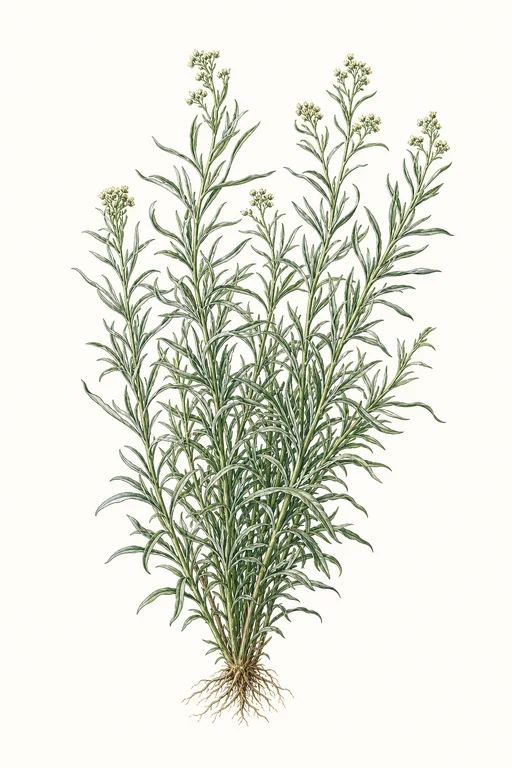
Fragrant as a fresh green breeze, Russian Tarragon (Artemisia dracunculoides) unfurls slender, aromatic leaves with a clean, anise-citrus lift and a pleasantly crisp bite.
The foliage forms an upright, bushy clump that’s richly textured—fine, feathery and vivid—making it a standout herb for bright, herb-forward flavoring in sauces, vinegars, and pickles, as well as for fresh garnishing. Grow it for its dependable, bold character and the way its scent seems to rise the moment you brush the stems.
Light: Full SunMaturity: 60 DaysHabit: Upright
Planting schedules and alerts are optimized for Columbus (Zone 6b).
Crop Dates
| Milestone | Date |
|---|---|
| Start Indoors | Mar 28th |
| Last Frost | Apr 25th |
| Transplant / Sow Outdoors | Jun 6th |
| Harvest Begins | Aug 5th |
| Harvest Ends | Oct 16th |
Crop Details
| Trait | Value |
|---|---|
| Days to Maturity | 60 |
| Sun Requirements | Full Sun |
| Growth Habit | Upright |
| Support Needed | None |
| Planting Depth | Normal |
| Germination Temp (°F) | 70 |
| Min Soil Temp (°F) | 45 |
| Min Night Temp (°F) | 35 |
| Harden Off (days) | 7 |
Culinary Notes

Chef's Note
Russian tarragon brings a more straightforward, assertive anise-citrus perfume than many mellow herbs—use it bright, not boiled to death. It stays crisp in dressings and brines, and its lifted aroma makes seafood and eggs taste like they’ve been hit with fresh lemon.

Best Uses
- chop for quick, last-minute herb sauce (stir in off-heat)
- infuse into vinegar for fast, bright pickles
- mix into yogurt or crème fraîche to keep the anise edge vivid
- use as a high-aroma garnish on fish, chicken, and omelets

Flavor Profile

Frequently Asked Questions
What pest or disease commonly affects Artemisia dracunculoides (Russian tarragon), and how do I treat it?
How often should I water Russian tarragon during its main growing phase, and what soil moisture should I aim for?
How can I tell when Russian tarragon is ready to harvest?
Sowing Tips

Transplant Conditions
Wait until soil reaches 45°F and nights stay above 35°F before moving outdoors. Harden off for 7 days first.
Expert Note

Give Russian tarragon full sun and well-drained soil; plants are drought-tolerant once established and benefit from dividing every few years to keep vigor.