
Sakata's Sweet Melon
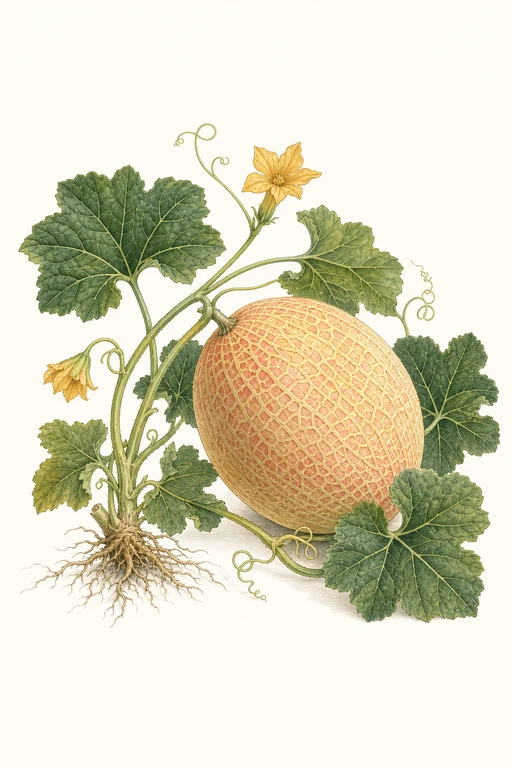
Aromas of warm honey and sunlit cantaloupe rise from Sakata's Sweet Melon—its flesh turns richly fragrant and delectably tender at maturity.
Expect a lusciously smooth, melt-in-the-mouth texture with a sweet, well-rounded flavor that shines whether enjoyed fresh or transformed into fragrant preserves and refreshing drinks. A specialty melon for gardeners who love a showy harvest and a truly memorable first bite.
Light: Full SunMaturity: 80 DaysHabit: Vine
Planting schedules and alerts are optimized for Columbus (Zone 6b).
Crop Dates
| Milestone | Date |
|---|---|
| Start Indoors | Apr 11th |
| Last Frost | Apr 25th |
| Transplant / Sow Outdoors | Apr 25th |
| Harvest Begins | Jul 14th |
| Harvest Ends | Oct 16th |
Crop Details
| Trait | Value |
|---|---|
| Days to Maturity | 80 |
| Sun Requirements | Full Sun |
| Growth Habit | Vine |
| Support Needed | Trellis |
| Planting Depth | Normal |
| Germination Temp (°F) | 75 |
| Min Soil Temp (°F) | 65 |
| Min Night Temp (°F) | 55 |
| Harden Off (days) | 10 |
Culinary Notes

Chef's Note
When this melon hits full maturity, the flesh gets almost creamy-soft and floods the nose with honeyed cantaloupe perfume—so treat it gently and serve cold. Its sweetness is well-rounded rather than sharp, which makes it shine with lime’s lift, mint’s cool snap, or a salty-protein counter like prosciutto.

Best Uses
- chilled fresh-eating cubes (no knife work beyond clean cuts, let the fragrance hit)
- melon-forward preserves or quick candy jams
- fragrant drinks: melon agua fresca or blended smoothie base
- light desserts where it can stay tender and perfumed (think no-bake sorbet base)

Flavor Profile

Frequently Asked Questions
What disease is most likely to affect Cucumis melo (sweet melon), and how can I prevent it?
How often should I water Cucumis melo during the main growing phase?
How do I tell when Sakata’s Sweet Melon (Cucumis melo) is ready to harvest?
Sowing Tips

Transplant Conditions
Wait until soil reaches 65°F and nights stay above 55°F before moving outdoors. Harden off for 10 days first.

Direct Sow Preferred
Sensitive roots — does not transplant well. If starting indoors, use biodegradable pots and disturb roots as little as possible when moving outdoors.
Expert Note

Start seeds only when you can transplant into reliably warm soil (and avoid root disturbance) to prevent slow, uneven growth in melons.