
San Juan
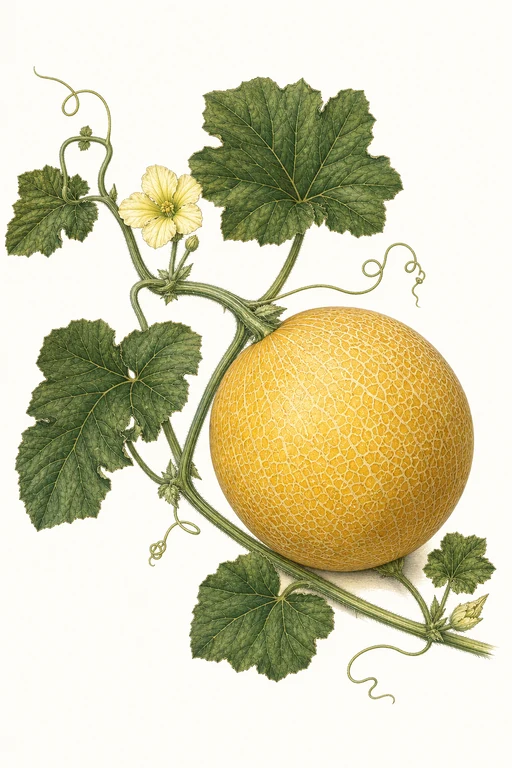
Sun-warmed fragrance leads the way with San Juan Canary Melon—golden as late-afternoon light, sweet and aromatic with a tender, juicy bite.
The flesh turns richly honeyed and smooth, offering a lush texture that shines when served chilled or spooned straight from the fruit. Grow San Juan for a showy, harvest-ready canary color and a fragrant centerpiece melon that begs to be shared at the peak of ripeness.
Light: Full SunMaturity: 80 DaysHabit: Vine
Planting schedules and alerts are optimized for Columbus (Zone 6b).
Crop Dates
| Milestone | Date |
|---|---|
| Start Indoors | May 23rd |
| Last Frost | Apr 25th |
| Transplant / Sow Outdoors | Jun 6th |
| Harvest Begins | Aug 25th |
| Harvest Ends | Oct 16th |
Crop Details
| Trait | Value |
|---|---|
| Days to Maturity | 80 |
| Sun Requirements | Full Sun |
| Growth Habit | Vine |
| Support Needed | Trellis |
| Planting Depth | Normal |
| Germination Temp (°F) | 70 |
| Min Soil Temp (°F) | 65 |
| Min Night Temp (°F) | 55 |
| Harden Off (days) | 12 |
Culinary Notes

Chef's Note
San Juan leans fragrant and honey-smooth, so it wants cold service and minimal interference—let the aroma lead. Salt/citrus wakes it up fast, and anything creamy (yogurt/vanilla) makes the texture feel almost custardy.

Best Uses
- serve ice-cold as a standalone canary melon course—no fuss, just a squeeze of lime
- chilled melon salad with a salty element (prosciutto or feta) to sharpen the sweetness
- blend into a silky smoothie or iced agua with citrus
- spoon over vanilla gelato or yogurt for a clean, fragrant finish

Flavor Profile

Frequently Asked Questions
What pest or disease commonly affects Cucumis melo (cantaloupe), and how do I control it?
How often should I water Cucumis melo during the main growing phase?
How can I tell when Cucumis melo (cantaloupe) is ready to harvest?
Sowing Tips

Transplant Conditions
Wait until soil reaches 65°F and nights stay above 55°F before moving outdoors. Harden off for 12 days first.

Direct Sow Preferred
Sensitive roots — does not transplant well. If starting indoors, use biodegradable pots and disturb roots as little as possible when moving outdoors.
Expert Note

Warm the soil (and air) fully before transplanting, and keep disturbance minimal to avoid root shock in canary melons.