
Satilla
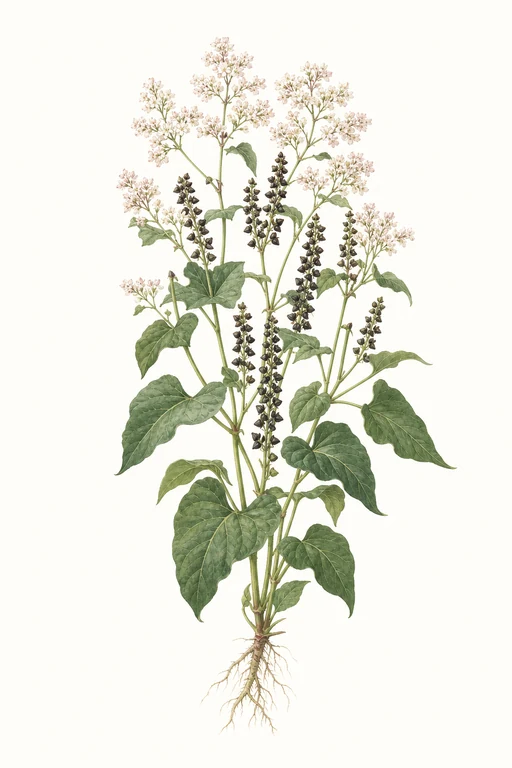
Satilla buckwheat arrives with a gentle, honeyed fragrance and a soft, feathery bloom that makes the field feel alive.
The seed develops in tidy, upright clusters, offering a fine, earthy flavor with a pleasantly nutty character and a clean, quick-cooking texture when used as a grain. Grow Satilla for a versatile harvest and a dependable cover—its vigorous growth and abundant blossoms make it a standout in the garden and on the farm alike.
Light: Full SunMaturity: 90 DaysHabit: Upright
Planting schedules and alerts are optimized for Columbus (Zone 6b).
Crop Dates
| Milestone | Date |
|---|---|
| Start Indoors | Direct Sow |
| Last Frost | Apr 25th |
| Transplant / Sow Outdoors | Apr 25th |
| Harvest Begins | Jul 24th |
| Harvest Ends | Oct 16th |
Crop Details
| Trait | Value |
|---|---|
| Days to Maturity | 90 |
| Sun Requirements | Full Sun |
| Growth Habit | Upright |
| Support Needed | None |
| Planting Depth | Normal |
| Germination Temp (°F) | 70 |
| Min Soil Temp (°F) | 55 |
| Min Night Temp (°F) | 50 |
| Harden Off (days) | Not Required |
Culinary Notes

Chef's Note
Satilla buckwheat is tuned for the bowl: it cooks fast, stays tender, and keeps that soft nut-honey aroma rather than going muddy. Use it where you want a clean, earthy chew that won’t steal the show from butter, mushrooms, or a bright hit of lemon.

Best Uses
- buckwheat hot cereal or porridge where it cooks up tender without turning gritty
- quick-cooking buckwheat grains for grain bowls—holds a light bite under dressing
- buckwheat pilaf with aromatics and butter to lean into the nutty aroma
- buckwheat groats for soups where it thickens gently without getting gluey

Flavor Profile

Frequently Asked Questions
What pest or disease problem commonly affects Fagopyrum esculentum (buckwheat), and how can I treat it?
How often should I water Fagopyrum esculentum during active growth (around the 30–70 day period)?
How do I know when Fagopyrum esculentum is ready to harvest?
Sowing Tips

Transplant Conditions
Wait until soil reaches 55°F and nights stay above 50°F before moving outdoors.
Expert Note

Sow buckwheat after daytime warmth has arrived (it hates cold soil) and keep it weed-free early for best stand and quick soil cover.