
Serata
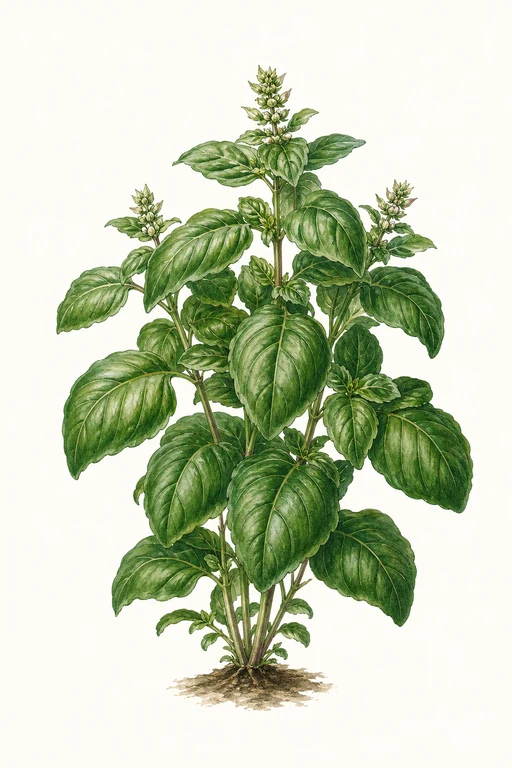
Fragrant as a sunlit garden path, Serata Italian Basil unfurls with a lush, upright habit and richly aromatic leaves that perfume the air with sweet, green-citrus lift.
The foliage is tender and velvety, with a smooth, medium-to-large leaf that holds its character beautifully from first harvest through steady picking. Grow Serata for bold, fresh flavor in classic pesto and herb-forward sauces, or for bright, fragrant finishing—its perfume shines whether used fresh or gently warmed.
Light: Full SunMaturity: 60 DaysHabit: Upright
Planting schedules and alerts are optimized for Columbus (Zone 6b).
Crop Dates
| Milestone | Date |
|---|---|
| Start Indoors | Apr 4th |
| Last Frost | Apr 25th |
| Transplant / Sow Outdoors | Jun 13th |
| Harvest Begins | Aug 12th |
| Harvest Ends | Oct 16th |
Crop Details
| Trait | Value |
|---|---|
| Days to Maturity | 60 |
| Sun Requirements | Full Sun |
| Growth Habit | Upright |
| Support Needed | None |
| Planting Depth | Normal |
| Germination Temp (°F) | 70 |
| Min Soil Temp (°F) | 60 |
| Min Night Temp (°F) | 50 |
| Harden Off (days) | 10 |
Culinary Notes

Chef's Note
Serata’s leaves carry a sweet green-citrus perfume that’s most powerful when you keep heat low—think off-heat infusion or fast blitzing—so the aroma doesn’t go dull. It’s tender enough to disappear into pesto while still tasting unmistakably basil-forward against garlic, olive oil, and cheese.

Best Uses
- blitz-style pesto where the leaves stay vivid and aromatic
- warm-then-finish herb sauce (off-heat infusion) for a bright, perfumed top note
- tear-and-fold into mozzarella/tomato salads to keep texture airy
- quick-chiffonade garnish for soups and roast chicken just before serving

Flavor Profile

Kitchen Pairings
Frequently Asked Questions
What pest or disease most commonly affects Ocimum basilicum (basil) and what can I do about it?
How often should I water Ocimum basilicum during its main growing phase?
How do I know when Ocimum basilicum is ready to harvest?
Sowing Tips

Transplant Conditions
Wait until soil reaches 60°F and nights stay above 50°F before moving outdoors. Harden off for 10 days first.
Expert Note

Because Serata is a cool-weather, high-yield leafy brassica, transplant into cool soil early and keep it watered to maintain rapid leaf production.