
Sesame
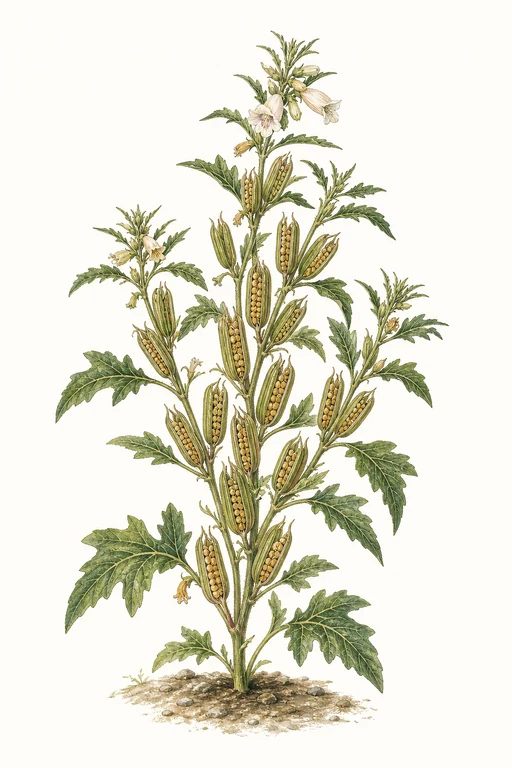
Warm, nutty fragrance rises as the pods mature—Sesame delivers a golden-brown harvest of tiny seeds with a crisp, delicate bite and a rich, lingering aroma.
The plants form upright, branching stems that hold slender pods in clusters, giving you a steady, satisfying yield over about 90 days. Ideal for oilseed production, this variety shines wherever you want fragrant sesame character—pressed oil, seed sprinkling, and bold flavor-forward blends.
Light: Full SunMaturity: 90 DaysHabit: Upright
Location not set yet
Location not set yet
Enter your ZIP for local crop dates
Sesame Planting Dates by USDA Zone
Estimated US hardiness-zone windows for sow, transplant, and harvest. Enter a US ZIP above for exact local dates, or open a zone below.
| Zone | Start Indoors | Sow / Transplant | Harvest |
|---|---|---|---|
| Zone 1a | Protected Environment Only | ||
| Zone 1b | Protected Environment Only | ||
| Zone 2a | Direct Sow | May 25th | Aug 23rd – Aug 29th |
| Zone 2b | Direct Sow | May 15th | Aug 13th – Aug 25th |
| Zone 3a | Direct Sow | May 15th | Aug 13th – Sep 1st |
| Zone 3b | Direct Sow | May 19th | Aug 17th – Sep 21st |
| Zone 4a | Direct Sow | May 15th | Aug 13th – Sep 24th |
| Zone 4b | Direct Sow | May 13th | Aug 11th – Sep 27th |
| Zone 5a | Direct Sow | May 8th | Aug 6th – Sep 30th |
| Zone 5b | Direct Sow | May 4th | Aug 2nd – Oct 5th |
| Zone 6a | Direct Sow | May 1st | Jul 30th – Oct 10th |
| Zone 6b | Direct Sow | Apr 25th | Jul 24th – Oct 16th |
| Zone 7a | Direct Sow | Apr 20th | Jul 19th – Oct 20th |
| Zone 7b | Direct Sow | Apr 10th | Jul 9th – Oct 28th |
| Zone 8a | Direct Sow | Apr 1st | Jun 30th – Nov 5th |
| Zone 8b | Direct Sow | Mar 23rd | Jun 21st – Nov 12th |
| Zone 9a | Direct Sow | Mar 6th | Jun 4th – Nov 26th |
| Zone 9b | Direct Sow | Feb 9th | May 10th – Dec 9th |
| Zone 10a | Continuous Production | ||
| Zone 10b | Continuous Production | ||
| Zone 11a | Continuous Production | ||
| Zone 11b | Continuous Production | ||
| Zone 12a | Continuous Production | ||
| Zone 12b | Continuous Production | ||
| Zone 13a | Continuous Production | ||
| Zone 13b | Continuous Production | ||
Crop Details
| Trait | Value |
|---|---|
| Days to Maturity | 90 |
| Sun Requirements | Full Sun |
| Growth Habit | Upright |
| Support Needed | None |
| Planting Depth | Surface |
| Germination Temp (°F) | 75 |
| Min Soil Temp (°F) | 70 |
| Min Night Temp (°F) | 60 |
| Harden Off (days) | Not Required |
Culinary Notes

Chef's Note
Sesame’s job is aroma and crunch: dry-toasting wakes up that golden, nutty perfume and keeps the seed bite snappy instead of fading. Use it like a flavor spice—finish hot dishes with oil and save a handful of toasted seeds for texture right at the table.

Best Uses
- dry-toasted seed sprinkling over salads, noodles, or roasted vegetables
- sesame paste/tahini-style spreads and dressings
- pressed sesame oil for high-heat finishing and wok drizzle
- crunchy seed crusts for chicken, fish, or tofu (after a quick egg/dough binder)

Flavor Profile

Kitchen Pairings
Frequently Asked Questions
What pest or disease commonly affects Sesamum indicum, and what should I do if I see it?
How often should I water Sesamum indicum during the main growing phase?
How do I know when Sesamum indicum is ready to harvest?
Sowing Tips

Transplant Conditions
Wait until soil reaches 70°F and nights stay above 60°F before moving outdoors.
Expert Note

For best emergence, sow shallowly after soil warms and keep the seedbed lightly moist until seedlings establish—sesame dislikes cold and root disturbance.