
Siberian Chard
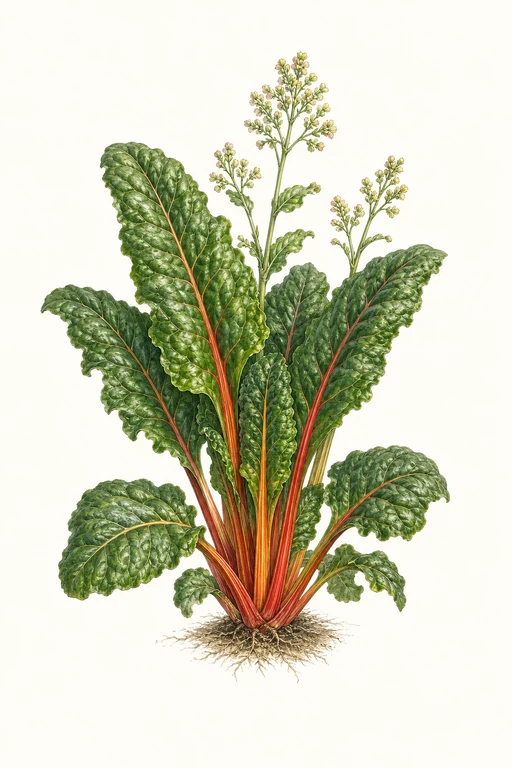
Silky, deeply veined leaves unfurl with a cool, garden-fresh snap, while the stems glow in striking shades that make Siberian Chard a feast for the eye as well as the palate.
Expect tender, succulent texture with a mild, earthy sweetness—ideal for steaming, sautéing, and quick skillet tosses, and equally lovely in hearty sauces and pickling brines where its color holds beautifully. With about 50 days to maturity, this dependable Swiss chard brings steady harvests for home gardeners who want both beauty and bold flavor in one crop.
Light: Full SunMaturity: 50 DaysHabit: Rosette
Planting schedules and alerts are optimized for Columbus (Zone 6b).
Crop Dates
| Milestone | Date |
|---|---|
| Start Indoors | Mar 28th |
| Last Frost | Apr 25th |
| Transplant / Sow Outdoors | Apr 18th |
| Harvest Begins | Jun 7th |
| Harvest Ends | Oct 16th |
Crop Details
| Trait | Value |
|---|---|
| Days to Maturity | 50 |
| Sun Requirements | Full Sun |
| Growth Habit | Rosette |
| Support Needed | None |
| Planting Depth | Normal |
| Germination Temp (°F) | 70 |
| Min Soil Temp (°F) | 40 |
| Min Night Temp (°F) | 30 |
| Harden Off (days) | 6 |
Culinary Notes

Chef's Note
Siberian Chard leans on that cool, mild sweetness—steam or sauté it fast so the leaves stay silky and the stems keep their juicy snap. Finish with bright acid (lemon or a brine) and a salty fat to tame the faint mineral bitterness and make the color read like edible stained glass.

Best Uses
- quick sauté or steam-finish where leaves stay glossy and not soggy
- stems-first skillet cooking, then toss leaves to catch a sweet-tender balance
- stout braises and reductions (vodka or cream-based) where color stays vivid
- hot pickling or quick brines for tangy crunch with a green-stem pop

Flavor Profile

Kitchen Pairings
Frequently Asked Questions
What pest or disease most commonly affects Swiss chard (Beta vulgaris var. cicla) and how can I control it at home?
How often should I water Siberian chard during the main growing phase to keep it productive?
How do I tell when Siberian chard is ready to harvest?
Sowing Tips

Transplant Conditions
Wait until soil reaches 40°F and nights stay above 30°F before moving outdoors. Harden off for 6 days first.
Expert Note

For best tenderness, keep soil evenly moist and plan to transplant early enough that plants are established before peak summer heat.