
SproutSmart
SproutSmart™ Intelligent Garden Sowing

Siberian Garlic

Family: Amaryllidaceae Vegetable

Planting Schedule

Provide your location or planting zone to unlock dates and add Siberian Garlic to a garden.

Siberian Garlic brings a bold, warming aroma that blooms into a rich, savory flavor—sharp at first, then beautifully mellow.

Expect firm, medium-to-large bulbs with a classic hardneck personality: easy to peel cloves and a satisfyingly snappy texture that holds its character for roasting, sauces, and slow-simmered favorites. Grow Siberian Garlic for dependable, long-season performance and the kind of kitchen-ready intensity that makes every harvest feel like a triumph.

Light: Full SunMaturity: 210 DaysHabit: Bulbing
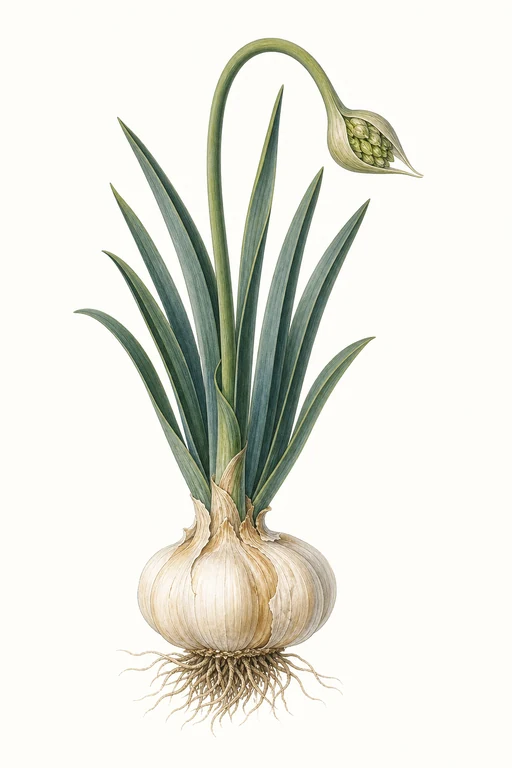
Botanical illustration of Siberian Garlic

Location not set yet

Location not set yet

Enter your ZIP for local crop dates

Siberian Garlic Planting Dates by USDA Zone

Estimated US hardiness-zone windows for sow, transplant, and harvest. Enter a US ZIP above for exact local dates, or open a zone below.

Zone Start Indoors Sow / Transplant Harvest
Zone 1a Direct Sow May 18th Dec 14th – Jul 15th
Zone 1b Direct Sow May 4th Nov 30th – Aug 1st
Zone 2a Direct Sow Apr 27th Nov 23rd – Aug 29th
Zone 2b Direct Sow Apr 17th Nov 13th – Aug 25th
Zone 3a Direct Sow Apr 17th Nov 13th – Sep 1st
Zone 3b Direct Sow Apr 21st Nov 17th – Sep 21st
Zone 4a Direct Sow Apr 17th Nov 13th – Sep 24th
Zone 4b Direct Sow Apr 15th Nov 11th – Sep 27th
Zone 5a Direct Sow Apr 10th Nov 6th – Sep 30th
Zone 5b Direct Sow Apr 6th Nov 2nd – Oct 5th
Zone 6a Direct Sow Apr 3rd Oct 30th – Oct 10th
Zone 6b Direct Sow Mar 28th Oct 24th – Oct 16th
Zone 7a Direct Sow Mar 23rd Oct 19th – Oct 20th
Zone 7b Direct Sow Mar 13th Oct 9th – Oct 28th
Zone 8a Direct Sow Mar 4th Sep 30th – Nov 5th
Zone 8b Direct Sow Feb 23rd Sep 21st – Nov 12th
Zone 9a Direct Sow Feb 6th Sep 4th – Nov 26th
Zone 9b Direct Sow Jan 12th Aug 10th – Dec 9th
Zone 10a — Oct 1st Feb 28th – Feb 28th
Zone 10b — Oct 1st Feb 28th – Feb 28th
Zone 11a — Oct 1st Feb 28th – Feb 28th
Zone 11b — Oct 1st Feb 28th – Feb 28th
Zone 12a — Oct 1st Feb 28th – Feb 28th
Zone 12b — Oct 1st Feb 28th – Feb 28th
Zone 13a — Oct 1st Feb 28th – Feb 28th
Zone 13b — Oct 1st Feb 28th – Feb 28th

Crop Details

TraitValue
Days to Maturity210
Sun RequirementsFull SunFull sun
Growth HabitBulbing
Support NeededNone
Planting DepthNormal
Germination Temp (°F)50
Min Soil Temp (°F)45
Min Night Temp (°F)28
Harden Off (days)Not Required

Culinary Notes


Chef's Note

Hardneck Siberian Garlic tends to hit first with a real bite, then relaxes into a savory, rounded savoriness—exactly what you want when you’re roasting or simmering until the kitchen smells like a promise. It peels clean and stays snappy, so it won’t dissolve into a bland paste; it behaves.

Best Uses

  • roasted cloves and mash for spreadable sweetness
  • slow-simmered sauces and braises where you want aroma to mellow without turning bitter
  • quick sautéed garlic for building the base of soups and noodle broths
  • finely grated/pressed garlic for punchy gremolata-style finishing

Flavor Profile

bold, warming allium bite sharp at first with a mellow, savory finish firm, snappy cloves that keep their character under heat

Kitchen Pairings

olive oil lemon black pepper butter parmesan chicken or lamb

Frequently Asked Questions


What pest or disease most commonly affects Allium sativum (garlic), and how do I stop it?
Garlic most often suffers from fungal basal rot (often seen as soft, brown rot at the bottom of the bulb) and sometimes white rot. Plant only healthy, firm cloves, rotate away from all Allium crops for several years, and avoid overhead watering so the leaves and neck stay dry; if you spot rotting plants, remove them promptly to protect nearby bulbs. Ensure the soil drains well and don’t over-fertilize with nitrogen late in the season, which can make plants more prone to rot.
During the main growing phase, how often should I water Allium sativum and what soil moisture level should I aim for?
From spring growth through bulb sizing, keep soil consistently moist but not waterlogged—about 1 inch (2.5 cm) of water per week total, adjusted for rain and heat. Water deeply when the top 1–2 inches (2.5–5 cm) of soil feel dry, then let excess drain; garlic needs oxygen around the roots, so soggy soil increases rot risk. In the final 3–4 weeks before harvest, reduce watering so the bulbs can dry and cure properly.
How can I tell when Siberian garlic (Allium sativum) is ready to harvest at ~210 days?
Harvest when about half the leaves have yellowed and the lower leaves are drying, while the bulbs are still firm and well-filled. Check by gently lifting one bulb with a fork—mature cloves should feel distinct and the skins should be tight around the bulb. If the leaves are still mostly green, wait a bit longer; if the neck is collapsing and cloves are separating, you’re likely past the best harvest window.