
Siberian Improved
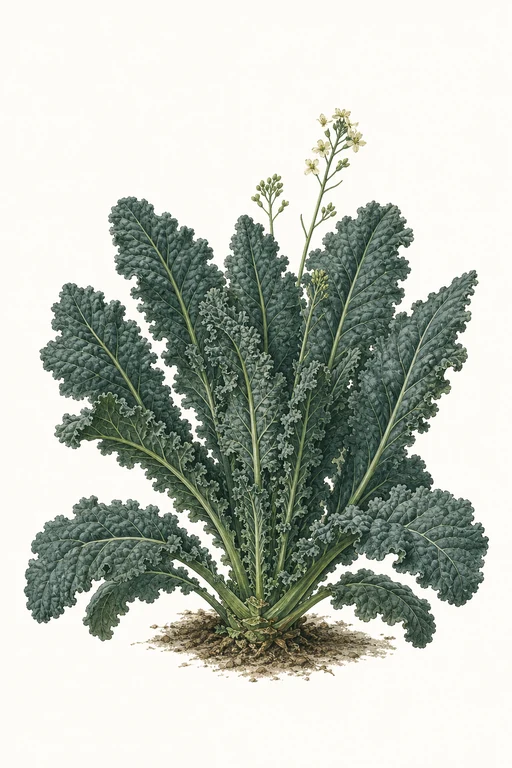
Cool-weather vigor meets richly satisfying flavor in Siberian Improved kale.
Expect deep, blue-green leaves with a tender, slightly sweet bite that softens beautifully as temperatures dip, making it a standout for hearty greens from the garden. Grow it for reliable harvests around day 50—ideal for steaming, sautéing, and robust sauces, or for pickling when you want a tangy, long-keeping green.
Light: Full SunMaturity: 50 DaysHabit: Rosette
Planting schedules and alerts are optimized for Columbus (Zone 6b).
Crop Dates
| Milestone | Date |
|---|---|
| Start Indoors | Mar 28th |
| Last Frost | Apr 25th |
| Transplant / Sow Outdoors | Apr 18th |
| Harvest Begins | Jun 7th |
| Harvest Ends | Oct 16th |
Crop Details
| Trait | Value |
|---|---|
| Days to Maturity | 50 |
| Sun Requirements | Full Sun |
| Growth Habit | Rosette |
| Support Needed | None |
| Planting Depth | Normal |
| Germination Temp (°F) | 45 |
| Min Soil Temp (°F) | 40 |
| Min Night Temp (°F) | 30 |
| Harden Off (days) | 6 |
Culinary Notes

Chef's Note
Siberian Improved is the kind of kale that stays pleasant even when the temperature drops—sweetness arrives as the leaves soften, not just heat-sick bitterness. Treat it like a braising green: salt early, cook until glossy, then sharpen with lemon or vinegar so the brassica bite feels bright instead of harsh.

Best Uses
- quick steam or sauté, then finish with a splash of lemon for a sweet-bitter pop
- braise in a salty broth until the stems go tender and the leaves go glossy
- blend into a thick, creamy green sauce for pasta or dumplings (use starchy water to emulsify)
- pickling for tangy, long-keeping greens that stay pleasantly crunchy

Flavor Profile

Kitchen Pairings
Frequently Asked Questions
What pest or disease is most likely on Brassica oleracea (true Siberian types), and how do I manage it at home?
How often should I water Brassica oleracea during the main growing phase to prevent stress and bolting?
How can I tell when my Brassica oleracea (true Siberian, ~50 days) is ready to harvest?
Sowing Tips

Transplant Conditions
Wait until soil reaches 40°F and nights stay above 30°F before moving outdoors. Harden off for 6 days first.
Expert Note

For the sweetest, most tender leaves, grow through cool weather and plan a late-season frost harvest using consistent soil moisture.