
SproutSmart
SproutSmart™ Intelligent Garden Sowing

Siletz

Family: Solanaceae Vegetable

Planting Schedule

Provide your location or planting zone to unlock dates and add Siletz to a garden.

Sun-warmed and richly aromatic, Siletz tomatoes ripen to a steady, classic red with a smooth, satin skin that feels satisfyingly substantial in the hand.

Their flesh is firm yet juicy, with a balanced, true-tomato flavor that shines in thick slices—ideal for showcasing on the plate. Grow Siletz for dependable, midseason harvests (about 65 days) and a slicing tomato you’ll reach for again and again in fresh salads and bold, spoonable sauces.

Light: Full SunMaturity: 65 DaysHabit: Determinate
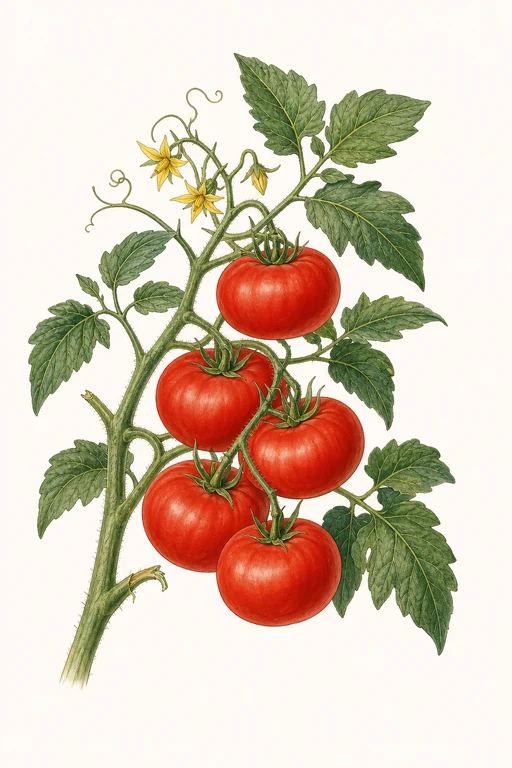
Botanical illustration of Siletz

Location not set yet

Location not set yet

Enter your ZIP for local crop dates

Siletz Planting Dates by USDA Zone

Estimated US hardiness-zone windows for sow, transplant, and harvest. Enter a US ZIP above for exact local dates, or open a zone below.

Zone Start Indoors Sow / Transplant Harvest
Zone 1a Protected Environment Only
Zone 1b Protected Environment Only
Zone 2a Apr 6th Jul 20th Sep 23rd – Aug 29th
Zone 2b Mar 27th Jul 10th Sep 13th – Aug 25th
Zone 3a Mar 27th Jul 10th Sep 13th – Sep 1st
Zone 3b Mar 31st Jul 14th Sep 17th – Sep 21st
Zone 4a Mar 27th Jul 10th Sep 13th – Sep 24th
Zone 4b Mar 25th Jul 8th Sep 11th – Sep 27th
Zone 5a Mar 20th Jul 3rd Sep 6th – Sep 30th
Zone 5b Mar 16th Jun 29th Sep 2nd – Oct 5th
Zone 6a Mar 13th Jun 26th Aug 30th – Oct 10th
Zone 6b Mar 7th Jun 20th Aug 24th – Oct 16th
Zone 7a Mar 2nd Jun 15th Aug 19th – Oct 20th
Zone 7b Feb 20th Jun 5th Aug 9th – Oct 28th
Zone 8a Feb 11th May 27th Jul 31st – Nov 5th
Zone 8b Feb 2nd May 18th Jul 22nd – Nov 12th
Zone 9a Jan 16th May 1st Jul 5th – Nov 26th
Zone 9b Dec 22nd Apr 6th Jun 10th – Dec 9th
Zone 10a Continuous Production
Zone 10b Continuous Production
Zone 11a Continuous Production
Zone 11b Continuous Production
Zone 12a Continuous Production
Zone 12b Continuous Production
Zone 13a Continuous Production
Zone 13b Continuous Production

Crop Details

TraitValue
Days to Maturity65
Sun RequirementsFull SunFull sun
Growth HabitDeterminate
Support NeededCage
Planting DepthDeep
Germination Temp (°F)70
Min Soil Temp (°F)60
Min Night Temp (°F)50
Harden Off (days)9

Culinary Notes


Chef's Note

Siletz is a slicing tomato that stays composed—firm flesh, steady juiciness, and true acidity make it ideal for thick cuts that won’t collapse under a heavy hand. When cooked, it softens into spoonable goodness without turning watery, so it earns a spot in quick roasts and fast sauces.

Best Uses

  • thick slice plates with flaky salt for a juicy, non-mushy chew
  • quick pan-roasting and finishing with pan juices for a concentrated, spoonable topping
  • bold, spoonable tomato sauces where the texture stays upright instead of collapsing

Flavor Profile

balanced true-tomato flavor firm, juicy flesh with a smooth satin bite bright, clean acidity that doesn’t turn sharp

Kitchen Pairings

garlic black pepper olive oil mozzarella white fish

Frequently Asked Questions


What pest or disease problem is most common on Solanum lycopersicum (tomatoes) and how do I treat it at home?
In tomatoes, early blight (Alternaria) often shows up as dark, concentric rings on older leaves. Remove and discard the infected leaves, improve airflow with wider spacing, and water at the soil line (not the foliage). If new spots keep appearing, spray an appropriate labeled fungicide for tomatoes and reapply according to the label, especially after rainy or humid stretches.
How often should I water Siletz tomatoes during the main growing phase?
During active vegetative growth and fruit set, keep the root zone evenly moist—about 1–2 inches of water per week total, adjusted for rainfall and heat. Water deeply 1–3 times per week rather than frequent light watering, and stop when the soil stays evenly damp but not soggy. If you see cracking or blossom-end rot, it’s usually from inconsistent moisture—switch to a steady schedule.
How can I tell when Siletz tomatoes are ready to harvest?
Harvest when fruits are fully colored for the variety (green to mature color, usually red-orange depending on the cultivar) and give slightly when gently squeezed. They should detach easily from the vine with a light twist; if they resist, they likely need more time. For best flavor, pick in the morning and avoid leaving overripe fruits on the plant.