
Silver Cloud
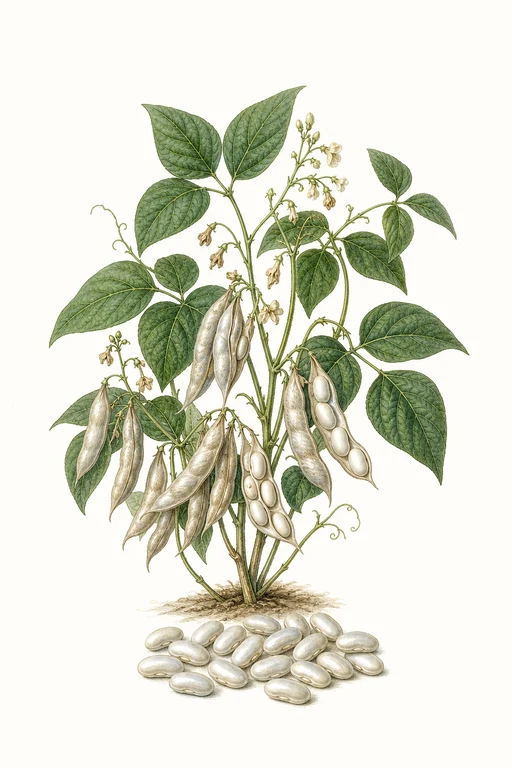
Silvery pods shimmer above the foliage, and inside, Silver Cloud delivers creamy, pale beans with a refined, nutty sweetness and a pleasantly firm bite when dried.
The dry kernels cook up tender without collapsing, making them ideal for hearty potting—especially when you want a smooth, comforting texture in bean-forward favorites. Grow for a dependable, 90-day harvest that stores beautifully and turns every batch into a pantry staple.
Light: Full SunMaturity: 90 DaysHabit: Bush
Location not set yet
Location not set yet
Enter your ZIP for local crop dates
Silver Cloud Planting Dates by USDA Zone
Estimated US hardiness-zone windows for sow, transplant, and harvest. Enter a US ZIP above for exact local dates, or open a zone below.
| Zone | Start Indoors | Sow / Transplant | Harvest |
|---|---|---|---|
| Zone 1a | Protected Environment Only | ||
| Zone 1b | Protected Environment Only | ||
| Zone 2a | Direct Sow | May 25th | Aug 23rd – Aug 29th |
| Zone 2b | Direct Sow | May 15th | Aug 13th – Aug 25th |
| Zone 3a | Direct Sow | May 15th | Aug 13th – Sep 1st |
| Zone 3b | Direct Sow | May 19th | Aug 17th – Sep 21st |
| Zone 4a | Direct Sow | May 15th | Aug 13th – Sep 24th |
| Zone 4b | Direct Sow | May 13th | Aug 11th – Sep 27th |
| Zone 5a | Direct Sow | May 8th | Aug 6th – Sep 30th |
| Zone 5b | Direct Sow | May 4th | Aug 2nd – Oct 5th |
| Zone 6a | Direct Sow | May 1st | Jul 30th – Oct 10th |
| Zone 6b | Direct Sow | Apr 25th | Jul 24th – Oct 16th |
| Zone 7a | Direct Sow | Apr 20th | Jul 19th – Oct 20th |
| Zone 7b | Direct Sow | Apr 10th | Jul 9th – Oct 28th |
| Zone 8a | Direct Sow | Apr 1st | Jun 30th – Nov 5th |
| Zone 8b | Direct Sow | Mar 23rd | Jun 21st – Nov 12th |
| Zone 9a | Direct Sow | Mar 6th | Jun 4th – Nov 26th |
| Zone 9b | Direct Sow | Feb 9th | May 10th – Dec 9th |
| Zone 10a | Continuous Production | ||
| Zone 10b | Continuous Production | ||
| Zone 11a | Continuous Production | ||
| Zone 11b | Continuous Production | ||
| Zone 12a | Continuous Production | ||
| Zone 12b | Continuous Production | ||
| Zone 13a | Continuous Production | ||
| Zone 13b | Continuous Production | ||
Crop Details
| Trait | Value |
|---|---|
| Days to Maturity | 90 |
| Sun Requirements | Full Sun |
| Growth Habit | Bush |
| Support Needed | None |
| Planting Depth | Normal |
| Germination Temp (°F) | 70 |
| Min Soil Temp (°F) | 60 |
| Min Night Temp (°F) | 55 |
| Harden Off (days) | Not Required |
Culinary Notes

Chef's Note
Silver Cloud’s dried kernels cook up tender yet still keep a firm, creamy center—no grainy collapse. It’s the kind of bean that stays intact in a long simmer, then becomes luxuriously spoonable once you finish with fat and aromatics.

Best Uses
- bean-forward soups and stews where you want the beans to hold their shape
- slow-simmered potage or purées that stay thick rather than paste-y
- chili and braises where the beans add silky body without collapsing
- pantry-style beans for reheating—good texture after storage

Flavor Profile

Frequently Asked Questions
What pest or disease commonly affects Phaseolus vulgaris (silver bean/green bean), and how do I control it?
How often should I water Phaseolus vulgaris during the main growing phase?
How can I tell when Phaseolus vulgaris is ready to harvest?
Sowing Tips

Transplant Conditions
Wait until soil reaches 60°F and nights stay above 55°F before moving outdoors.
Expert Note

Direct sow cannellini beans after the soil warms and nights stay reliably mild; keep soil consistently moist until germination but avoid waterlogging.