
SproutSmart
SproutSmart™ Intelligent Garden Sowing

Silvery Fir Tree

Family: Solanaceae Nightshade

Planting Schedule

Provide your location or planting zone to unlock dates and add Silvery Fir Tree to a garden.

A silvery sheen drapes the fruit of ‘Silvery Fir Tree,’ catching the light like frost on a fir bough.

This beefsteak tomato delivers a rich, full-bodied flavor with a juicy, meaty bite—ideal for showcasing in thick slices and hearty, colorful preparations. Grow it for its striking, pale-tinged look and its satisfying, garden-ripe presence at about 85 days.

Light: Full SunMaturity: 85 DaysHabit: Determinate
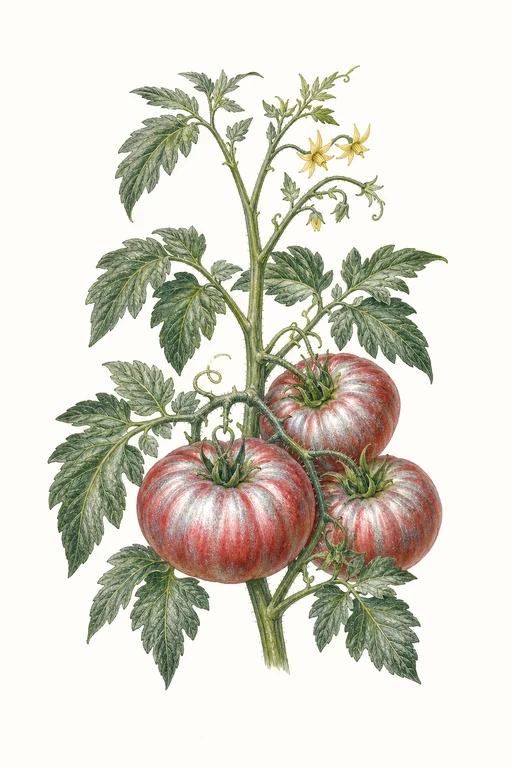
Botanical illustration of Silvery Fir Tree

Location not set yet

Location not set yet

Enter your ZIP for local crop dates

Silvery Fir Tree Planting Dates by USDA Zone

Estimated US hardiness-zone windows for sow, transplant, and harvest. Enter a US ZIP above for exact local dates, or open a zone below.

Zone Start Indoors Sow / Transplant Harvest
Zone 1a Protected Environment Only
Zone 1b Protected Environment Only
Zone 2a Apr 6th Jul 13th Oct 6th – Aug 29th
Zone 2b Mar 27th Jul 3rd Sep 26th – Aug 25th
Zone 3a Mar 27th Jul 3rd Sep 26th – Sep 1st
Zone 3b Mar 31st Jul 7th Sep 30th – Sep 21st
Zone 4a Mar 27th Jul 3rd Sep 26th – Sep 24th
Zone 4b Mar 25th Jul 1st Sep 24th – Sep 27th
Zone 5a Mar 20th Jun 26th Sep 19th – Sep 30th
Zone 5b Mar 16th Jun 22nd Sep 15th – Oct 5th
Zone 6a Mar 13th Jun 19th Sep 12th – Oct 10th
Zone 6b Mar 7th Jun 13th Sep 6th – Oct 16th
Zone 7a Mar 2nd Jun 8th Sep 1st – Oct 20th
Zone 7b Feb 20th May 29th Aug 22nd – Oct 28th
Zone 8a Feb 11th May 20th Aug 13th – Nov 5th
Zone 8b Feb 2nd May 11th Aug 4th – Nov 12th
Zone 9a Jan 16th Apr 24th Jul 18th – Nov 26th
Zone 9b Dec 22nd Mar 30th Jun 23rd – Dec 9th
Zone 10a Continuous Production
Zone 10b Continuous Production
Zone 11a Continuous Production
Zone 11b Continuous Production
Zone 12a Continuous Production
Zone 12b Continuous Production
Zone 13a Continuous Production
Zone 13b Continuous Production

Crop Details

TraitValue
Days to Maturity85
Sun RequirementsFull SunFull sun
Growth HabitDeterminate
Support NeededCage
Planting DepthDeep
Germination Temp (°F)75
Min Soil Temp (°F)60
Min Night Temp (°F)50
Harden Off (days)8

Culinary Notes


Chef's Note

Built like a classic beefsteak: lots of flesh, juicy without turning to mush, and a savory tomato character that stands up to high heat. Slice it thick and treat it like a main—season hard, let it blister, and it’ll stay sculptural on the plate.

Best Uses

  • thick slicing for straight-up tomato sandwiches where the fruit doesn’t collapse
  • quick pan-blistering or broiling to concentrate flavor and hold texture
  • hearty caprese-style plates (with dressing kept heavier, not watery)
  • chunky salsa or tomato relish where the pulp stays substantial

Flavor Profile

rich, full-bodied tomato flavor meaty, juicy bite with firm slice integrity gentle acidity with a savory, almost umami-leaning finish

Kitchen Pairings

garlic olive oil fresh mozzarella balsamic vinegar salted butter black pepper

Frequently Asked Questions


What pest or disease most commonly affects Solanum lycopersicum (tomato), and what should I do?
A frequent problem is early blight (Alternaria) showing as brown, concentric “target” spots on older leaves, sometimes spreading upward. Remove and discard infected leaves, water at the soil line (not the foliage), and improve airflow by pruning lower leaves that touch the soil. If it keeps advancing, apply an approved fungicide labeled for tomatoes and start at the first signs rather than waiting.
How often should I water tomatoes (Solanum lycopersicum) during the main growing phase?
During active growth and fruiting, aim for consistently moist soil with about 1–1.5 inches (2.5–4 cm) of water per week, adjusted for heat and rainfall. Water deeply 1–2 times weekly instead of frequent light watering, and keep the root zone evenly moist to reduce blossom-end rot and splitting.
How can I tell when Solanum lycopersicum is ready to harvest?
Harvest when fruits reach full size and develop their final color, typically with a slight give when gently squeezed. For best flavor, pick most fruit at the “fully colored” stage (not just partially red) and remove them regularly so the plant can keep producing.