
Small Green
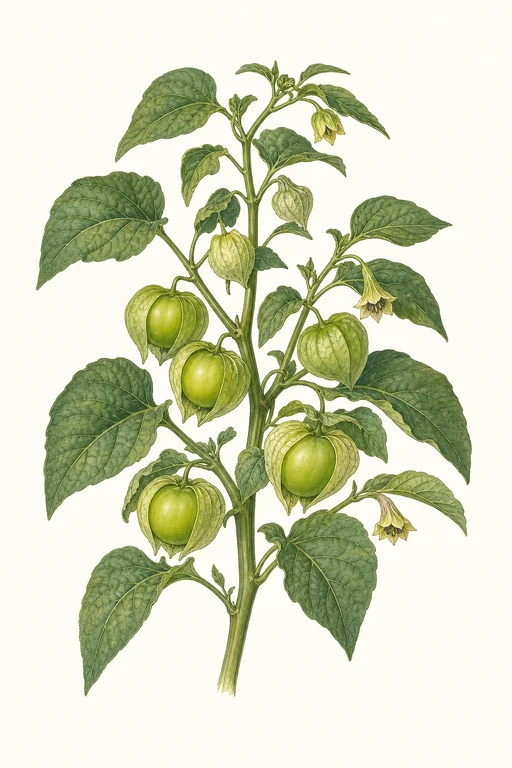
Bursting with a fresh, green tang, Small Green tomatillos ripen to compact, jewel-bright fruit cradled in papery husks that feel crisp and lantern-like.
The flesh is tender and juicy with a pleasantly tart snap, delivering a clean, vibrant flavor that shines in salsa-style preparations and bright sauces, as well as quick pickling for a tangy bite. Grow Small Green for a tidy, productive harvest—perfect for gardeners who want bold tomatillo character in a smaller, more manageable plant.
Light: Full SunMaturity: 75 DaysHabit: Bush
Planting schedules and alerts are optimized for Columbus (Zone 6b).
Crop Dates
| Milestone | Date |
|---|---|
| Start Indoors | Mar 7th |
| Last Frost | Apr 25th |
| Transplant / Sow Outdoors | Jun 20th |
| Harvest Begins | Sep 3rd |
| Harvest Ends | Oct 16th |
Crop Details
| Trait | Value |
|---|---|
| Days to Maturity | 75 |
| Sun Requirements | Full Sun |
| Growth Habit | Bush |
| Support Needed | None |
| Planting Depth | Normal |
| Germination Temp (°F) | 75 |
| Min Soil Temp (°F) | 60 |
| Min Night Temp (°F) | 50 |
| Harden Off (days) | 7 |
Culinary Notes

Chef's Note
Small Green tomatillos are built for punchy, green-acid cooking: the husk-protected fruit delivers a tart snap and juicy, spoonable texture that won’t turn dull in a quick salsa verde. Char them briefly and blend—keep the heat short so the flavor stays electric, not cooked-out.

Best Uses
- quick-blitz salsa verde where the fruit keeps its lively bite
- char-and-stir sauces (tomatillos + chiles + aromatics) that stay clean rather than jammy
- fast pickling for crisp, tangy snacking and taco toppings
- stir into warm grains or beans to add zip without heaviness

Flavor Profile

Frequently Asked Questions
What pest or disease commonly affects Physalis philadelphica (tomatillo) and how can I manage it at home?
How often should I water Physalis philadelphica during the main growing phase?
How can I tell when Physalis philadelphica is ready to harvest?
Sowing Tips

Transplant Conditions
Wait until soil reaches 60°F and nights stay above 50°F before moving outdoors. Harden off for 7 days first.
Expert Note

Grow in full sun and transplant only when soil is truly warm (around 60°F+), since cold slows tomatillos dramatically.