
Southern Peas
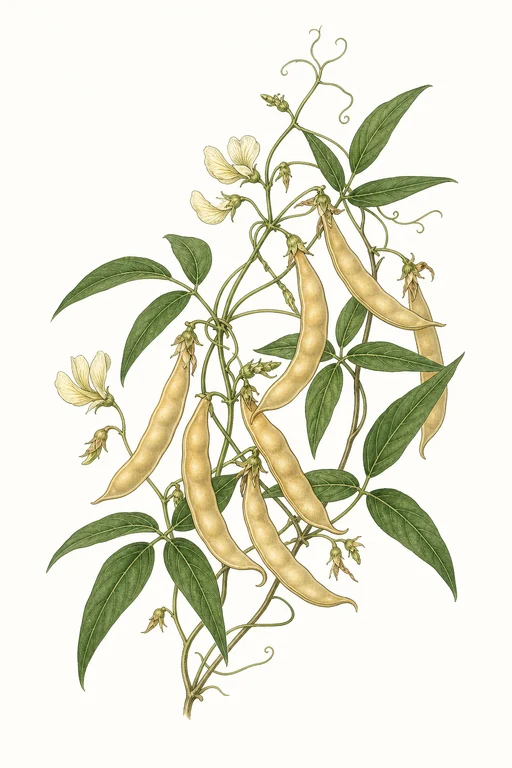
Sweetly fragrant vines bear pods that swell with tender, creamy peas—an inviting, buttery bite with a gentle, grassy sweetness.
At maturity, the pods hold a crisp snap and the peas inside turn luxuriously soft, ideal for spoonfuls of comfort and vibrant garden-to-table flavor. Grow Southern Peas for reliable warm-season harvests and the kind of satisfying texture that makes every bowl feel special.
Light: Full SunMaturity: 60 DaysHabit: Upright
Planting schedules and alerts are optimized for Columbus (Zone 6b).
Crop Dates
| Milestone | Date |
|---|---|
| Start Indoors | Direct Sow |
| Last Frost | Apr 25th |
| Transplant / Sow Outdoors | Apr 25th |
| Harvest Begins | Jun 24th |
| Harvest Ends | Oct 16th |
Crop Details
| Trait | Value |
|---|---|
| Days to Maturity | 60 |
| Sun Requirements | Full Sun |
| Growth Habit | Upright |
| Support Needed | None |
| Planting Depth | Normal |
| Germination Temp (°F) | 75 |
| Min Soil Temp (°F) | 60 |
| Min Night Temp (°F) | 55 |
| Harden Off (days) | Not Required |
Culinary Notes

Chef's Note
These cowpea/“southern pea” kernels lean sweet and creamy, turning spoon-soft without going starchy—so treat them like comfort food that still needs brightness. I’d finish the pot with butter and an acidic snap (vinegar or lemon) to keep the grassy notes lively, not flat.

Best Uses
- buttery skillet peas with a splash of stock and herbs
- Southern-style “quick cook” peas: simmer then finish with fat + acid
- pot liquor bowls—peas strained-thickened with pepper and a spoon of butter
- fresh shelled peas tossed in warm vinaigrette with smoked salt

Flavor Profile

Frequently Asked Questions
What pest or disease most commonly affects Vigna unguiculata (southern peas), and how can I manage it?
How often should I water southern peas during their main growing phase?
How do I tell when Vigna unguiculata is ready to harvest?
Sowing Tips

Transplant Conditions
Wait until soil reaches 60°F and nights stay above 55°F before moving outdoors.
Expert Note

Southern peas (cowpeas) are best direct-sown after soil warms—avoid transplanting to protect nodulating roots for best nitrogen fixation and yield.