
Speckled Calico
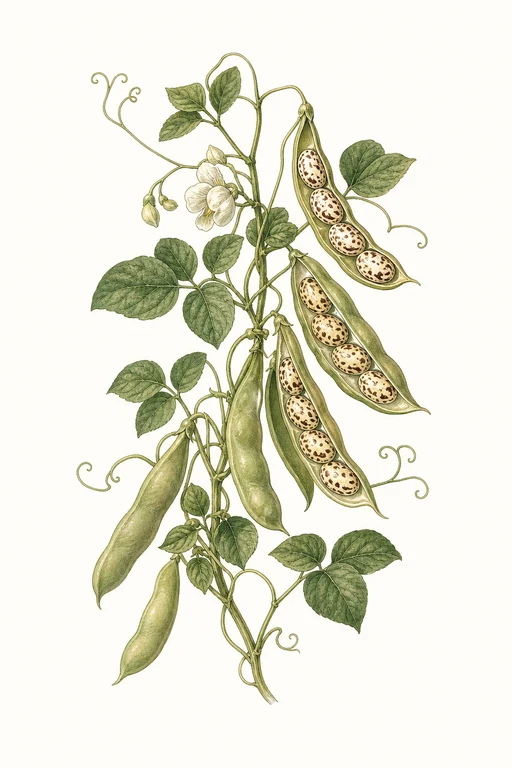
Warm-season delight with a painterly charm: Speckled Calico lima beans ripen to creamy, speckled seeds that feel satisfyingly substantial in the pod.
Expect a tender, buttery bite and a mellow, nutty flavor that shines in classic lima-bean preparations—ideal for slow-simmered comfort, velvety sauces, and hearty sides. Grow for a steady harvest around 90 days, when the pods fill out and the calico pattern becomes unmistakably bold.
Light: Full SunMaturity: 90 DaysHabit: Vine
Planting schedules and alerts are optimized for Columbus (Zone 6b).
Crop Dates
| Milestone | Date |
|---|---|
| Start Indoors | Direct Sow |
| Last Frost | Apr 25th |
| Transplant / Sow Outdoors | Apr 25th |
| Harvest Begins | Jul 24th |
| Harvest Ends | Oct 16th |
Crop Details
| Trait | Value |
|---|---|
| Days to Maturity | 90 |
| Sun Requirements | Full Sun |
| Growth Habit | Vine |
| Support Needed | Trellis |
| Planting Depth | Normal |
| Germination Temp (°F) | 70 |
| Min Soil Temp (°F) | 60 |
| Min Night Temp (°F) | 55 |
| Harden Off (days) | Not Required |
Culinary Notes

Chef's Note
Speckled Calico limas lean into a buttery, mellow nuttiness and a creamy, substantial bite—ideal when you want the spoon to feel luxurious without resorting to flour-thickening. Cook them gently and let them develop that velvety texture; they’re built for slow comfort and savory, smoky aromatics.

Best Uses
- slow-simmered lima beans with aromatics (garlic, thyme) so they turn silky
- velvety succotash-style spoonable sides when cooked gently, not boiled hard
- purees or mash for a thick, spoon-coating texture in bowls
- creamy bean sauces where you want body without heaviness

Flavor Profile

Kitchen Pairings
Frequently Asked Questions
What pest or disease commonly affects Phaseolus lunatus (lima beans), and how can I treat it?
How often should I water Phaseolus lunatus during the main growing phase?
How do I tell when Speckled Calico lima beans (Phaseolus lunatus) are ready to harvest?
Sowing Tips

Transplant Conditions
Wait until soil reaches 60°F and nights stay above 55°F before moving outdoors.
Expert Note

Direct-sow after soil warms and inoculate if you haven’t grown beans there before for best nodulation and yield.