
Spinach Amaranth
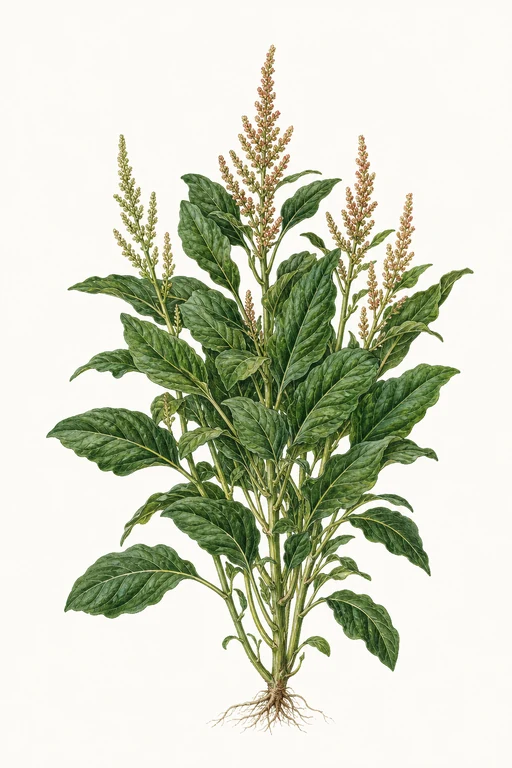
Tender, spinach-like leaves unfurl with a lush, velvet sheen and a pleasantly mild, green bite that’s never harsh.
Spinach Amaranth (Callaloo) forms an upright, branching plant that keeps producing succulent foliage quickly—ideal for frequent harvests at about 35 days. Grow it for bold, leafy flavor in callaloo-style dishes and for fresh, vibrant greens that shine in sautés and quick braises.
Light: Full SunMaturity: 35 DaysHabit: Upright
Planting schedules and alerts are optimized for Columbus (Zone 6b).
Crop Dates
| Milestone | Date |
|---|---|
| Start Indoors | Direct Sow |
| Last Frost | Apr 25th |
| Transplant / Sow Outdoors | Apr 25th |
| Harvest Begins | May 30th |
| Harvest Ends | Oct 16th |
Crop Details
| Trait | Value |
|---|---|
| Days to Maturity | 35 |
| Sun Requirements | Full Sun |
| Growth Habit | Upright |
| Support Needed | None |
| Planting Depth | Normal |
| Germination Temp (°F) | 75 |
| Min Soil Temp (°F) | 65 |
| Min Night Temp (°F) | 50 |
| Harden Off (days) | Not Required |
Culinary Notes

Chef's Note
Spinach Amaranth is built for speed: its tender leaves wilt fast into something silky without turning stringy, so it rewards high heat and short timing. Go coconut-forward or citrus-bright—the mild green bite is a great canvas for assertive aromatics and creamy, fatty sauces.

Best Uses
- callaloo-style sauté with coconut milk and aromatics
- quick wilting in hot oil—then folded into rice or beans
- fast braise with stock and a squeeze of citrus to brighten
- blending into silky purées or dumpling/pancake fillings

Flavor Profile

Kitchen Pairings
Frequently Asked Questions
What pest or disease problem most commonly affects Amaranthus dubius (spinach amaranth), and how can I control it?
How often should I water Amaranthus dubius during the main growing phase to keep it producing tender leaves?
How do I know when Amaranthus dubius is ready to harvest?
Sowing Tips

Transplant Conditions
Wait until soil reaches 65°F and nights stay above 50°F before moving outdoors.
Expert Note

Direct-sow after frost risk has passed and keep seedlings evenly moist for fast, tender leaf harvests.