
Starbor
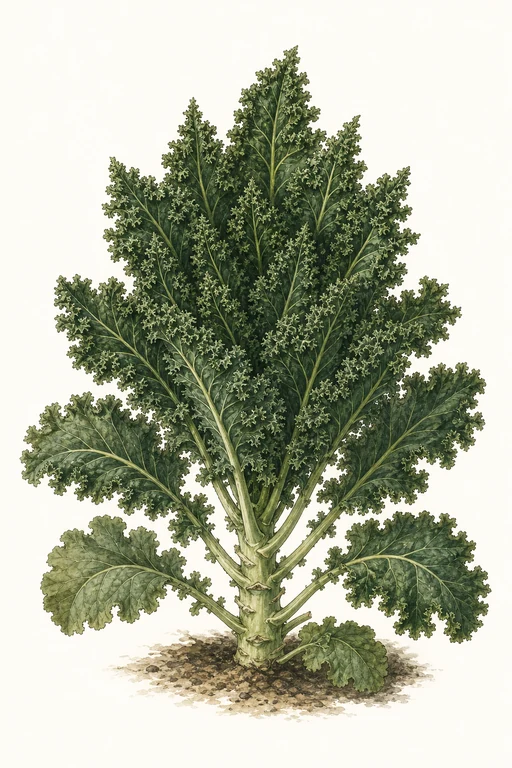
Velvety leaves unfurl in a rich, starburst rosette, with a cool, sweet-green flavor that turns especially satisfying as the season settles in.
Starbor kale forms sturdy, upright plants with tender, finely textured foliage—ideal for steaming, sautéing, and hearty soups, and it also shines in fresh salads when you want a crisp, leafy bite. Grow it for reliable harvests over a long window, from first cut through the first frosts.
Light: Full SunMaturity: 55 DaysHabit: Rosette
Planting schedules and alerts are optimized for Columbus (Zone 6b).
Crop Dates
| Milestone | Date |
|---|---|
| Start Indoors | Mar 28th |
| Last Frost | Apr 25th |
| Transplant / Sow Outdoors | Apr 25th |
| Harvest Begins | Jun 19th |
| Harvest Ends | Oct 16th |
Crop Details
| Trait | Value |
|---|---|
| Days to Maturity | 55 |
| Sun Requirements | Full Sun |
| Growth Habit | Rosette |
| Support Needed | None |
| Planting Depth | Normal |
| Germination Temp (°F) | 45 |
| Min Soil Temp (°F) | 45 |
| Min Night Temp (°F) | 30 |
| Harden Off (days) | 6 |
Culinary Notes

Chef's Note
Starbor’s tender, finely textured leaves bring a sweet-green edge that tastes good even when it’s lightly cooked, and they don’t go soft fast like some tougher kales. Use it where you want kale to stay defined—steamed-wilted, soupy, or salad-crisp—then sharpen it with lemon and salt.

Best Uses
- quick sauté with a splash of water to steam-wilt then caramelize at the edges
- hearty soups and stews where it stays leafy instead of collapsing
- massaged salads that benefit from a crisp, fibrous snap
- steam then finish with olive oil and a briny accent for a clean, winter-friendly side

Flavor Profile

Kitchen Pairings
Frequently Asked Questions
What pest or disease issue commonly affects Brassica oleracea (starbor kale) and how do I control it?
How often should I water starbor kale during the main growing phase, and what soil moisture should I maintain?
How can I tell when starbor kale is ready to harvest at ~55 days?
Sowing Tips

Transplant Conditions
Wait until soil reaches 45°F and nights stay above 30°F before moving outdoors. Harden off for 6 days first.
Expert Note

For best flavor and crisp texture, grow kale in cool weather and transplant only when nights are consistently above freezing to avoid stunting.